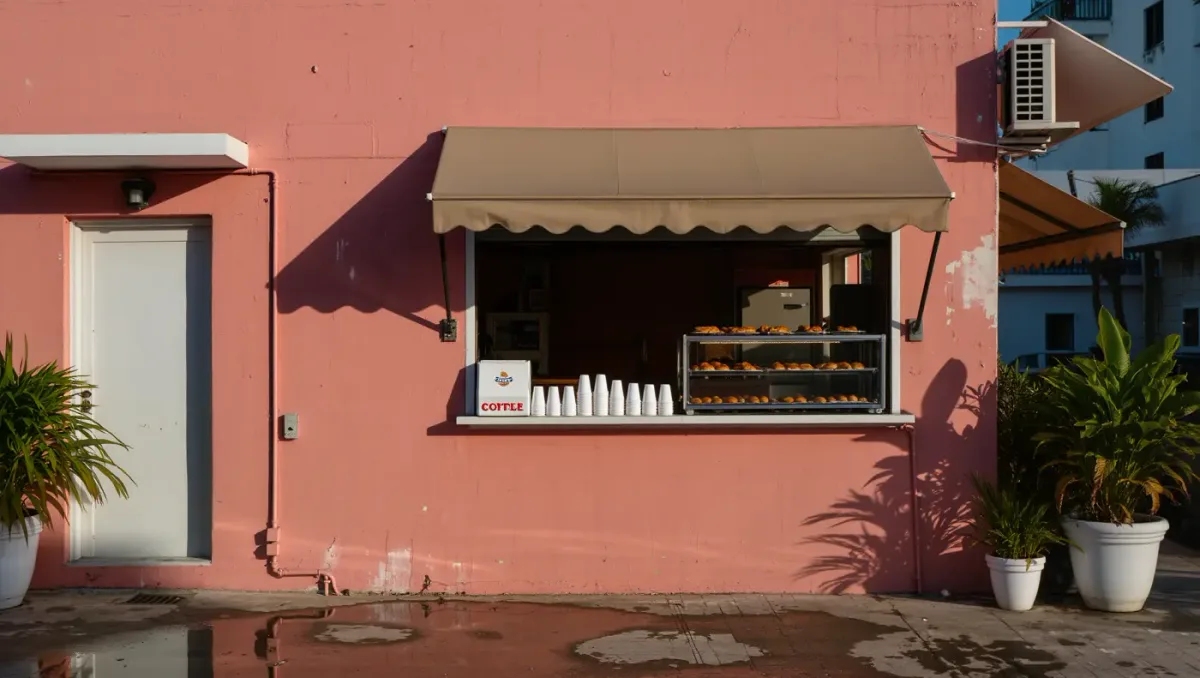
On a corner of Little Havana, a walk-up window sells the drink that keeps a neighborhood running. The cafecito window, or ventanita, stands at the center of Miami's Cuban coffee culture, part refreshment stand and part town square. At Versailles, La Ventanita draws a steady line at 3555 Southwest 8th Street.
The window works because the coffee it sells is built for sharing. A colada holds three to six shots of Cuban espresso in a single cup, packed with a stack of tiny plastic cups so an office or a family can pass it around. Standard references describe the colada as a takeaway form tied to workplace breaks in Cuban communities.
What Is a Ventanita and Who Started It?
A ventanita is a small walk-up window where Cuban coffee is ordered, poured and drunk on the spot. Reference works note that in areas with a high Cuban population, small cafés open these windows, and the shots come with tostada, buttered Cuban bread, or pastelitos. The format asks nothing of the customer except a few minutes and loose change.
Versailles credits its founder, the Cuban exile Felipe Valls Sr., with developing the walk-up window concept, according to the restaurant's website. The site calls La Ventanita, the restaurant's own window, a customary stop for a coffee break, and lists the address at 3555 Southwest 8th Street in Miami. The account of Valls is the restaurant's own history of its house.
What Comes in a Colada and Why Is It Shared?
A colada, in the standard description, is three to six shots of Cuban-style espresso served in a styrofoam cup alongside small plastic demitasses. The size exists for a group. One purchase covers a break room, a job site or a kitchen table, and the cup travels hand to hand until it is empty.
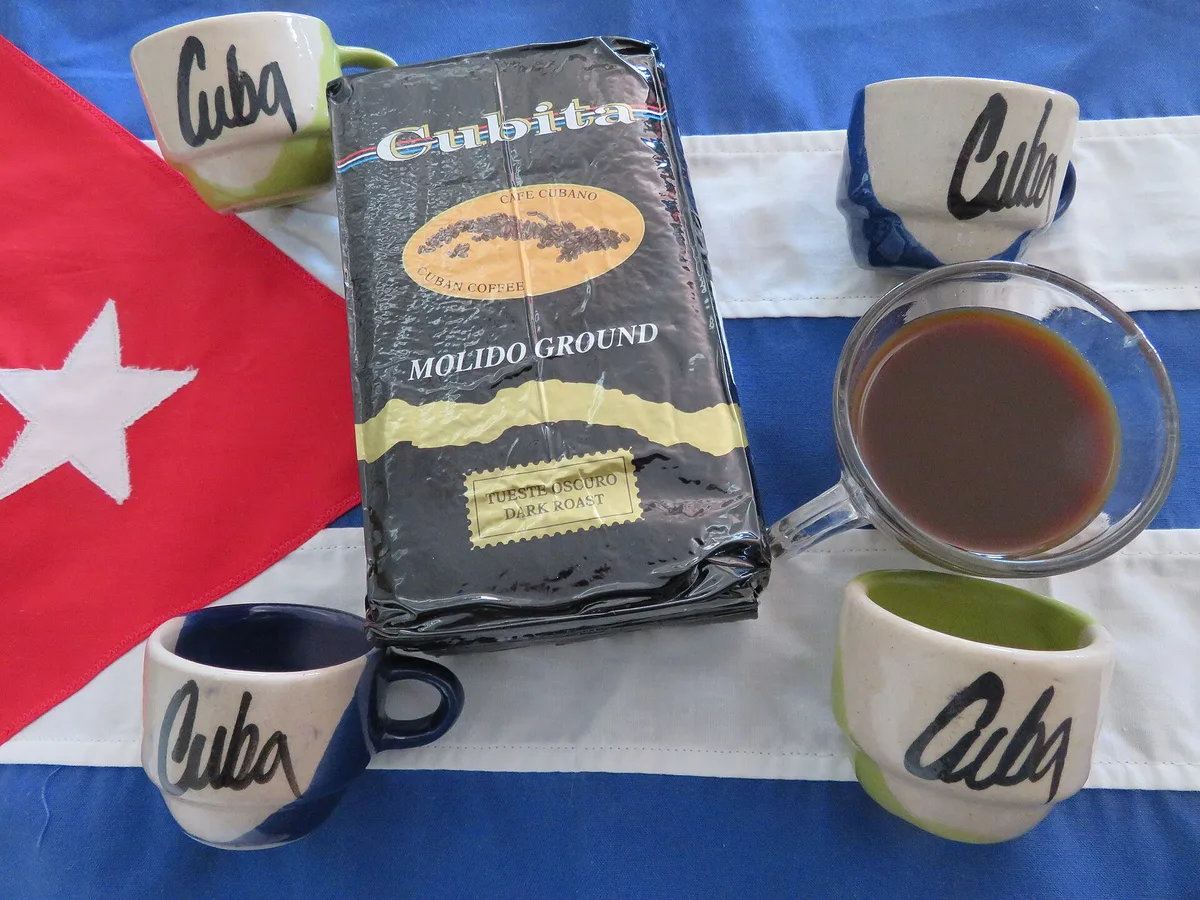
The drink itself is Cuban espresso, also called cafecito: a shot sweetened with sugar whipped into the first, strongest drops of the pour. The whipping leaves a creamy foam called espumita on top. A cortadito, the other common order, tops a shot with steamed milk in a ratio between half and three-quarters espresso.
Where Does the Ritual Live Along Calle Ocho?
The ritual has a home address in more than one sense. Calle Ocho, the local name for Southwest 8th Street, runs through Little Havana, and Máximo Gómez Park, better known as Domino Park, sits on it. The park is a place where Cuban immigrants gather to drink coffee, smoke cigars and play dominos, and it now draws curious visitors as well.
The neighborhood's standing is a matter of record. The National Trust for Historic Preservation placed Little Havana on its annual list of 11 Most Endangered Places in 2015 and declared the district a national treasure in 2017. The coffee windows carried on through both episodes, as they had through the decades before. For related coverage, see Little Havana's Tower Theater, Dark Since the City Took Over, Is Headed Back to Miami Dade College.
Why Does a Tiny Cup Carry So Much Weight?
The ventanita's weight comes from what it stages. It is one of the few public counters where a retired domino player, a nurse off a night shift and a first-time visitor stand in the same short line. The transaction takes seconds, yet the window works as a notice board, a meeting point and a daily landmark that costs nothing to use.
Versailles describes its window as a stomping ground for Cuban exiles and an outpost for the media, and the restaurant's account notes that copies of the concept now operate across Miami. Cafecito culture is no longer confined to one corridor. It shows up well beyond Little Havana, in office towers and strip malls across Miami-Dade, wherever a machine and a stack of demitasses fit. This connects to our earlier piece, Miami-Dade's Public Art Collection: Where Nearly 1,000 Free Works Live Across the County.
Conclusion: A Small Window With a Civic Job
The cafecito window endures because its job was never only to sell coffee. It keeps a daily pleasure within reach, sets a stage where neighbors meet without a plan, and hands a stranger a demitasse without ceremony. The restaurant's own description of La Ventanita lists croquetas, pastries, even cigars and friendly banter beside the coffee, which is as plain a summary of the institution as any. In a city that keeps remaking itself, the little window holds its ground on Calle Ocho.