The books that explain Miami to itself run from Joan Didion’s Miami, a 1987 report on the Cuban exile generation, to Carlos Eire’s Waiting for Snow in Havana, which won the National Book Award for Nonfiction. Downtown, the Museum of Miami has kept the city’s own record since its founding in 1940.
This guide reads the shelf in order. It starts with the book that took the city seriously as a subject, follows the memoir that carried one exile childhood to a national award, and ends at the museum in downtown Miami where the primary record sits. Along the way it notes what each work covers and why the pairing still holds. This connects to our earlier piece, HistoryMiami Museum: A Visitor's Guide to Downtown Miami's History Museum.
Which Book First Took On Miami as a Subject?
Joan Didion’s Miami appeared in 1987 as a work of social and political analysis. It grew from three extended essays that she published in The New York Review of Books between May and July of that year. The subject was the generation of Cubans who landed in exile after Fulgencio Batista fell in 1959, and the way that community shaped both the city and the country’s foreign policy. Didion wrote about exile politics alongside the Bay of Pigs invasion, the Watergate scandal, and the Iran-Contra affair. One line has followed the book since publication: Granta called it the darkest book written about the sunniest place in America.
What Does Waiting for Snow in Havana Tell Readers?
Carlos Eire answered Didion’s broadsheet with a childhood. Waiting for Snow in Havana: Confessions of a Cuban Boy, published in 2003, won the National Book Award for Nonfiction. The memoir is autobiographical and records the author’s experiences as part of Operation Peter Pan, the Cold War airlift that brought Cuban children to Miami and the rest of the United States. Eire left a very different profession behind in the book’s pages: he received his doctorate from Yale University in 1979 and specializes in the religious and cultural history of early modern Europe. The exile boy and the Yale professor are the same person on the page.
Where Does the City Keep Its Own Stories?
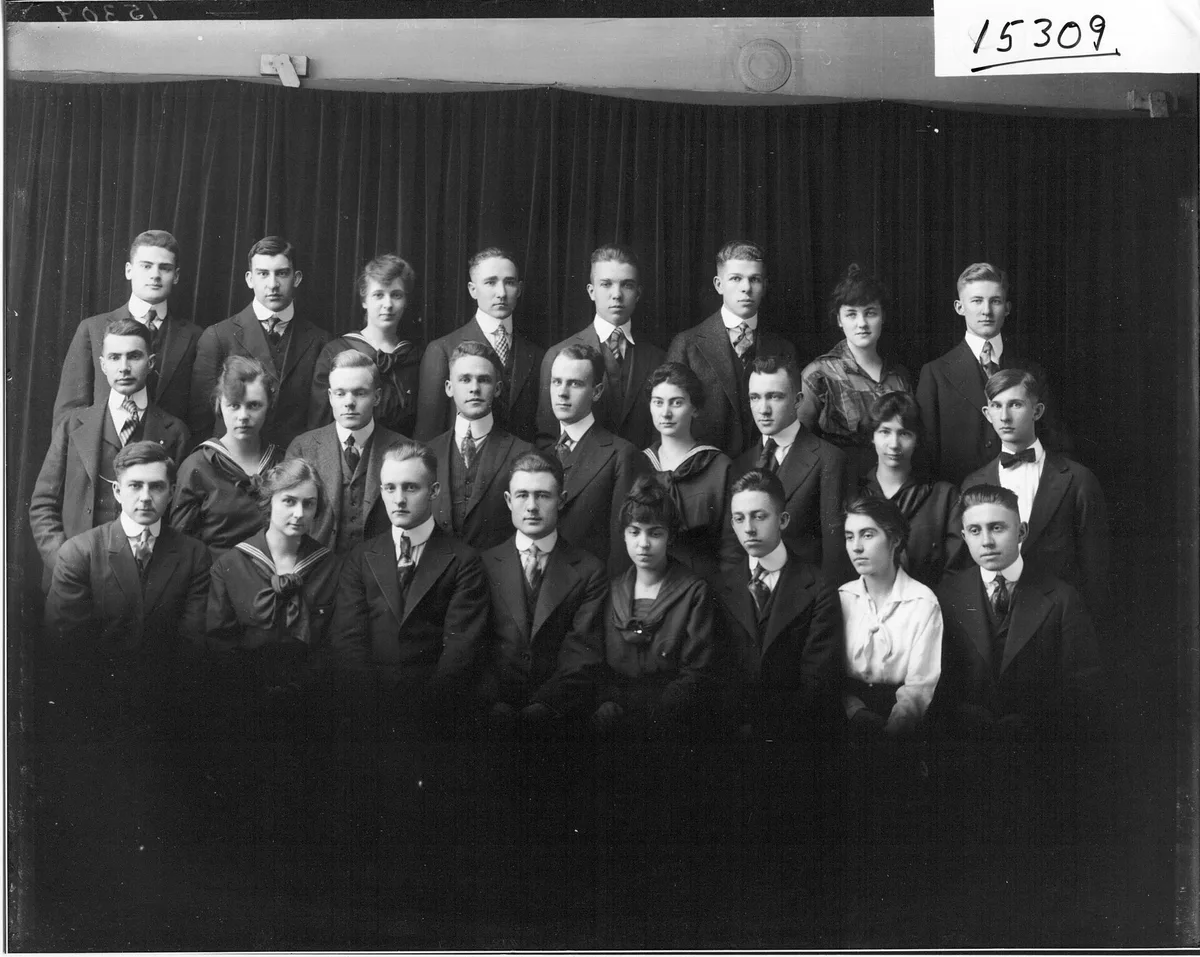
Prose is not the only record. The Museum of Miami, founded in 1940 as the Historical Association of Southern Florida, describes its work as safeguarding and sharing Miami stories to foster learning and inspire a sense of place. The museum became a Smithsonian affiliate in July 2011, and the American Alliance of Museums reaccredited it in 2023. Its core exhibition, Tropical Dreams: A People’s History of South Florida, presents more than 10,000 years of South Florida history, and the museum adds temporary exhibitions and city tours each year.
How Should a Reader Start with Miami Literature?
Order matters less than the pairing of lens and place. A plain sequence works well for the shelf described here.
- 1. Start with Didion for the political frame: exile, foreign policy, and the Miami that Washington watched.
- 2. Follow with Eire for the personal record of the same migration, told from inside one childhood.
- 3. Finish at the Museum of Miami, where the Tropical Dreams exhibition sets 10,000-plus years of context under one roof.
Read that way, the three stops correct one another. The analysis gains a face, the memoir gains a timeline, and the museum visit gains the questions that only books ask.
Conclusion: A City That Keeps Writing Itself Down
Miami collects new explanations faster than any shelf can hold, but the old ones stay in print for a reason. Didion’s 1987 report still names the forces that built the city’s politics. Eire’s memoir still carries the exile experience that Didion could only study from the outside. The museum that has held the record since 1940 keeps both within walking distance of the downtown buses. The boy in Waiting for Snow in Havana grew into a professor of early modern Europe, and the book he wrote about Havana’s snowless streets remains one of the sharpest portraits of the city that took him in. Readers following this should also see Little Havana's Tower Theater, Dark Since the City Took Over, Is Headed Back to Miami Dade College.