Miami's festival calendar runs all year, but the season locals plan around peaks in October, when Carnival weekend, a homegrown music festival and a film program land within the same three weeks. The rest of the year is anchored by neighborhood traditions on Calle Ocho, art fairs in Coconut Grove and downtown, and free programming in county parks through the summer.
The practical question for any household is not which festival is best. It is which ones fit a budget and a calendar. Admission varies widely, parking near the biggest events fills early, and some of the most reliable fun in Miami-Dade costs nothing at all. This guide walks through the year, month by month, with what to expect and where the costs sit.
When does festival season peak in Miami?
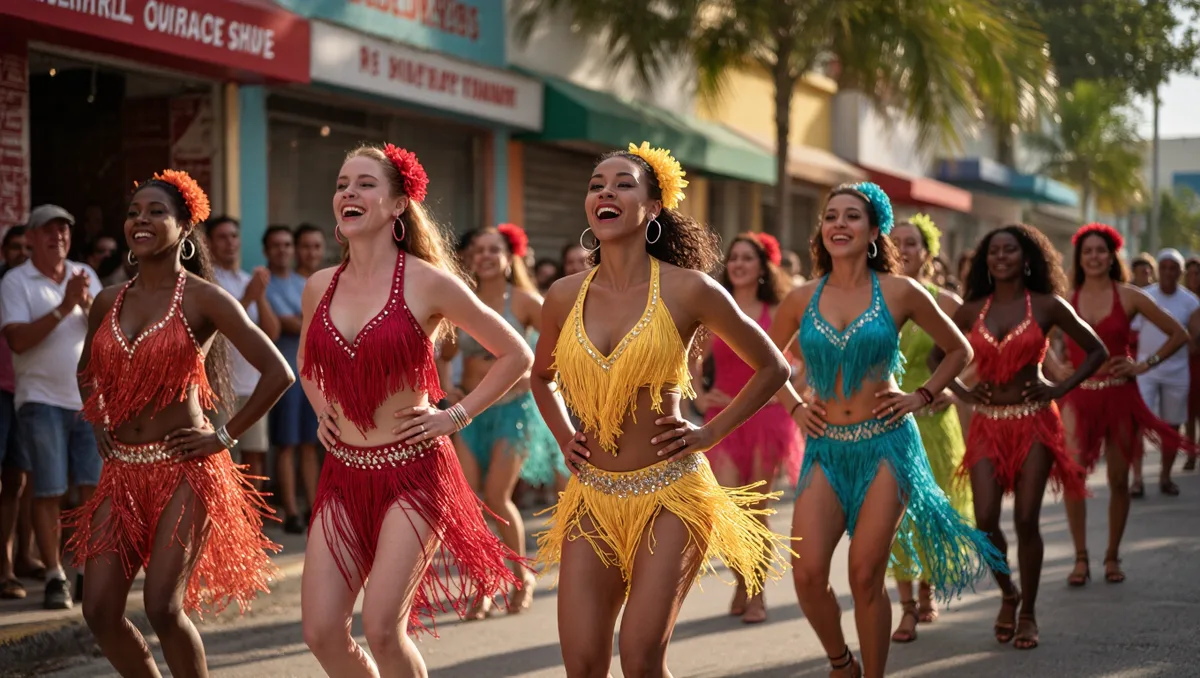
Late summer into fall is the busiest stretch. According to Time Out Miami, festival season kicks into gear in October after a quieter summer, with cultural groups taking the spotlight as new productions reach the stage. The same roundup lists Miami Carnival running October 3-11 with handmade costumes, parades and Soca bands, and III Points Festival bringing nearly 300 artists across 13 stages in Wynwood on October 16-17.
The fall calendar stacks quickly. Miami Film Festival GEMS runs October 29 through November 5, a program of screenings and filmmaker conversations now in its 13th year. Hispanic Heritage Month programming continues through October 15, citywide. For readers sorting out the Caribbean weekend specifically, the Miami Carnival Primer: How October's Caribbean Weekend Works breaks down how the parade and related events fit together.
What happens on Calle Ocho through the year?
Little Havana's main street hosts a rhythm of its own. The Three Kings Parade returns to Calle Ocho in January, a tradition that draws families back to the same blocks each winter. Later in the spring, the Calle Ocho festival turns fifteen blocks of SW 8th Street into the city's largest street party.
Between the big dates, the street keeps a smaller monthly beat. Little Havana's Viernes Culturales Turns Calle Ocho Into a Monthly Street Festival covers the recurring Friday evening edition, which is the easiest way to sample the neighborhood without committing to a full festival day. Both big events carry details that shift year to year, so confirm dates and street closures with the organizer before heading out. For related coverage, see Little Havana's Viernes Culturales Turns Calle Ocho Into a Monthly Street Festival.
Which festivals are worth an early plan?
Three anchor events reward advance planning because they occupy whole weekends and draw crowds from across the county.
- Coconut Grove Arts Festival. The waterfront fair runs each Presidents' Day weekend in February. The Coconut Grove Arts Festival Guide: The 62nd Edition on the Waterfront covers what the show involves and how the village handles the crowds.
- Miami Book Fair. Downtown Miami hosts eight days of programming each November. The Miami Book Fair Guide: Eight Days Each November in Downtown Miami walks through the format.
- King Mango Strut. Coconut Grove's satire parade closes the year with a smaller, local crowd. The King Mango Strut guide explains the parade's format and route.
South Dade has its own anchor. The Redland International Orchid Festival draws plant buyers to the Redland agricultural district for a weekend each spring, a very different crowd from the downtown events.
What does a festival day actually cost?
Costs split into three buckets: admission, food and parking. Ticketed events such as III Points are priced per festival pass, and admission varies by event for Carnival programming, per Time Out's roundup. Street festivals like Calle Ocho and Viernes Culturales are free to enter; the spending happens at food vendors and on drinks.
Parking is the line item that surprises people. A household driving to two or three big events a month can spend more on garages and lots than on tickets. Readers weighing that trade-off can start with Where to Park Near Miami's Big Outdoor Festivals, which covers lots, garages and street rules around the major sites.
There are cheaper anchors, too. Miami-Dade parks run free summer programming, including movie nights and pool hours, covered in the Free Summer in Miami-Dade Parks guide. For families sorting which events work for young children, the family-friendly festivals guide offers a checklist.
What this means for your calendar
Our analysis of the year's shape: plan around two or three anchor weekends rather than trying to attend everything. The fall stack, from Carnival through the Book Fair, rewards a household that books time off and parking early. Winter and spring belong to the neighborhood traditions, which cost less and repeat annually, so a missed year is not a lost one.
One money note worth flagging: the shoulder season carries its own deals. Miami Spice, the citywide restaurant program running through October 31, offers discounted three-course menus at more than 300 participating restaurants, starting at $40 for brunch and lunch and $50 to $65 for dinner, excluding tax and gratuity, according to Time Out Miami. A dinner that doubles as a pre-festival meal is one way to stretch the same budget.
Readers who follow the county's civic calendar will also notice that fall is budget season at City Hall; the City of Miami Commission's second budget hearing for fiscal year 2026 is scheduled for September 24, 2026, at Miami City Hall, per the City of Miami's official site. Park and event funding decisions made in that window shape what free programming looks like the following summer.
What to watch before you go
Three things change, and none of them are guaranteed until the organizer confirms them: dates, admission prices and street closures. Hurricane season overlaps the early fall events, and a storm forecast can move or cancel an outdoor festival with little notice. Check the organizer's page the week of the event, confirm parking arrangements in advance, and keep a free alternative in mind. The county's park programming and the monthly street festivals are the reliable fallbacks when a ticketed event does not go ahead.