The Tower Theater at 1508 SW 8th Street, the 1926 movie house that anchored Calle Ocho's cinema row, closed more than two years ago, and in January 2026 the Miami City Commission voted unanimously to negotiate returning its operation to Miami Dade College, the institution that ran it for more than two decades before the city took over. The decision, reported the week of January 12, 2026, sets up a management lease of at least 20 years and gives Little Havana its best news about the theater since the doors shut.
The century-old building has lived three lives already: a first-run movie palace for downtown's western edge, a Spanish-language cinema for a neighborhood of Cuban exiles, and a restored art-house and festival stage under the college. The vote opens a fourth, and the terms of the city manager's negotiation will decide how quickly the marquee lights again.
Why did the city take over the Tower Theater?
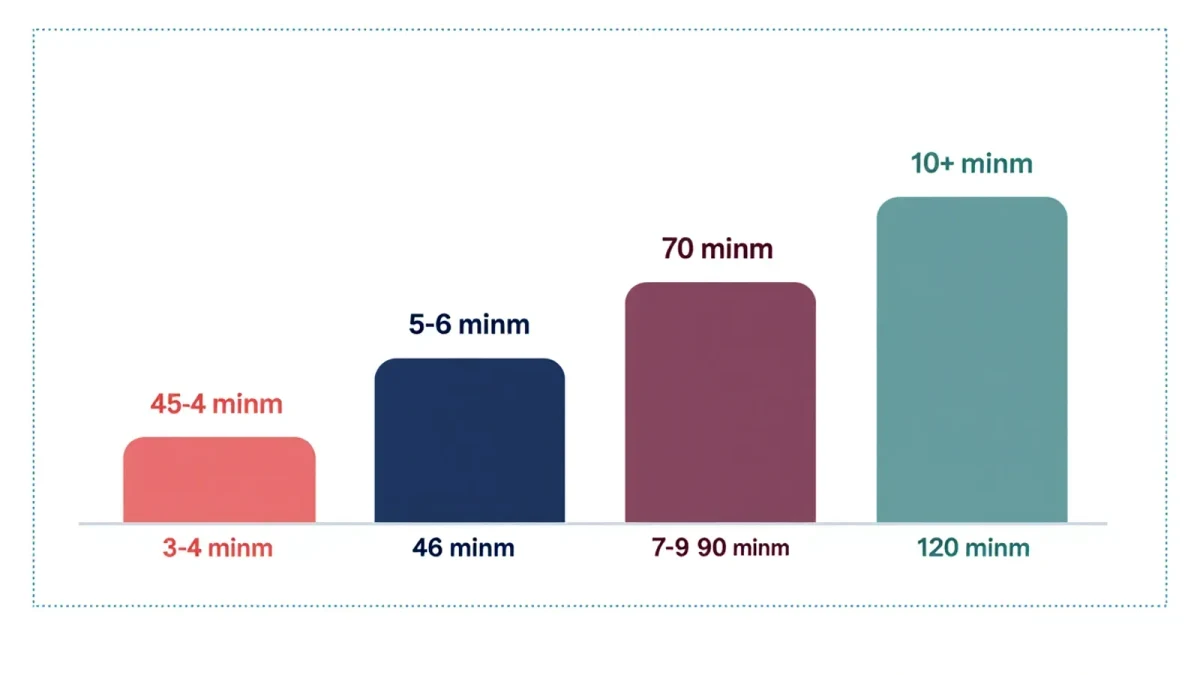
In 2022, the commission voted to end Miami Dade College's management and take the operation in-house, a move led by then-District 3 Commissioner Joe Carollo. The city assumed control in 2023. What followed, per reporting published in January 2026, was a venue that sat dark more than two out of every three days by 2024, a schedule that drew complaints from the businesses around it on SW 8th Street, which counted on theater crowds for evening foot traffic.
What did the January 2026 vote change?
The commission voted unanimously to have the city manager negotiate a management agreement returning the theater to the college, reversing the 2022 takeover. Mayor Eileen Higgins requested the move in her first commission meeting after taking office, and new District 3 Commissioner Rolando Escalona co-sponsored it. Under the direction given, the long-term lease must run at least 20 years before it takes effect. Maria Carla Chiquen, the college's associate vice president for cultural affairs, told local outlets that "Miami Dade College looks forward to working in collaboration with the city of Miami, community leaders, local organizations, artists and residents."
What did the theater mean to Little Havana?
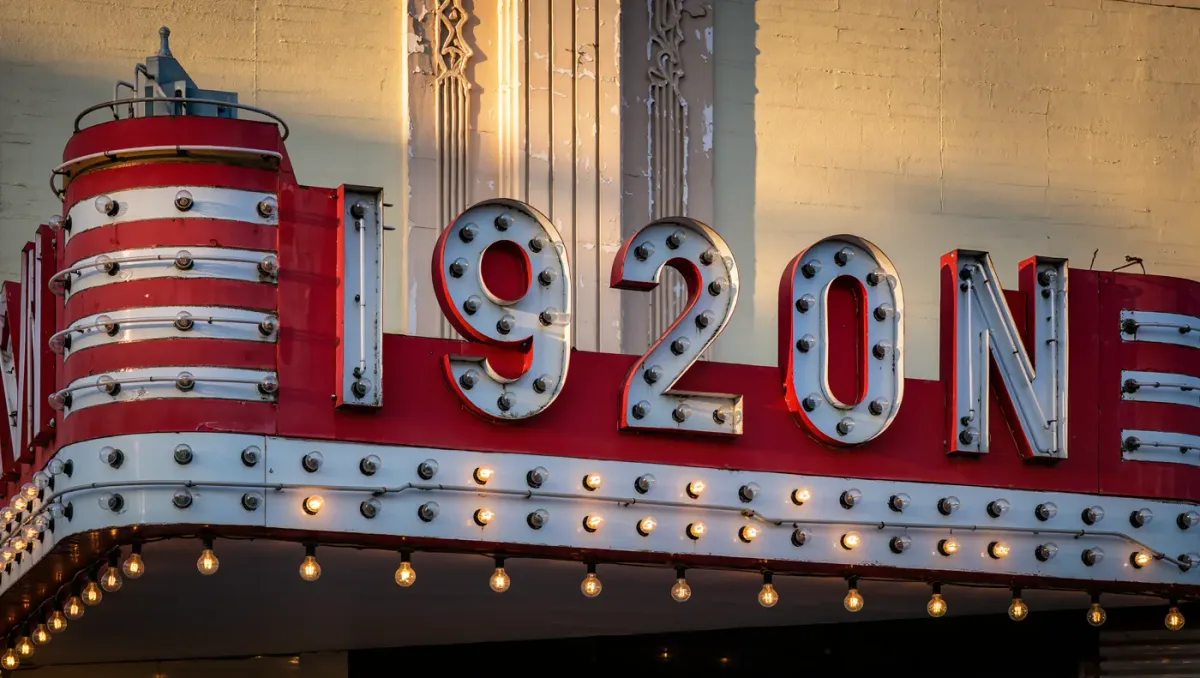
The Tower opened in December 1926 as one of the finest houses in the South, a Mediterranean Revival hall later remodeled in the Art Deco style that still dresses its facade. Its defining turn came in the 1960s, when refugees arriving from Cuba remade SW 8th Street and the Tower followed their audience, screening Spanish-language films and subtitled American releases that introduced a new Miami to Hollywood. For two decades the theater functioned as a cultural front room for the exile community, its lobby a meeting point on the city's main Cuban American commercial strip.
How did Miami Dade College restore it?
The theater closed in 1984 and sat dormant for years while the block around it declined. In 2002 the city authorized the college to restore and operate the building, and the college spent millions returning the hall to working order, reopening it as a modern venue for multicultural film, live performance and classroom use. Under the college the Tower became a regular stage of the Miami Film Festival, Miami Dade College's signature cultural event, and its screening calendar carried documentary series, Spanish-language first runs and student showcases. The college says it welcomed more than 1.2 million visitors across its years running the venue.
What happens while the agreement is negotiated?
The theater remains closed while the city manager's office negotiates the lease, and no reopening date had been announced as of February 2026. Independent projection has filled some of the gap: filmmaker Robert Colom launched CineMovil, a mobile cinema, after the closure, carrying outdoor screenings to parks and parking lots across the neighborhood. "The theater turning back to Miami Dade College is huge," Colom said in January 2026 reporting, crediting the college's operation with supporting local artists and the strip's economy.
What kind of building is the Tower?
The theater's architecture tells its own timeline. Architects erected the hall in the Mediterranean Revival manner that defined Miami's 1920s boom, with a vertical sign blade and a stucco facade meant to read from blocks down SW 8th Street. A later remodeling stripped in Art Deco geometry, streamlining the frontage in the fashion of the 1930s and 1940s. The college's restoration kept both layers, repairing the facade while rebuilding the interior as a modern screening room with digital projection, upgraded sound and a lobby scaled to festival crowds rather than Depression-era queues.
How does the theater fit into Calle Ocho's wider story?
The Tower sits in the middle stretch of SW 8th Street that carries the neighborhood's identity: the Walkway of the Stars a block east, the Cuban memorial boulevards and the old ballroom halls within a few minutes' walk, and row after row of cafes, pharmacies and record shops that survived on the same evening crowds. When the theater went dark, nearby owners told local reporters the loss showed up plainly on their own ledgers, since a sold-out house meant a line out the door and dessert orders after the credits. The 2026 vote to restore the college's operation was, for those businesses, an economic question as much as a cultural one.
The Tower turns 100 years old in 2026. The building that showed Miami's Spanish-language first runs, then survived two decades of darkness, then two more of city management, now waits on a signature and a lease before its centennial can include a reopened house.