HistoryMiami Museum, at 101 West Flagler Street in downtown Miami, opens its galleries Tuesday through Sunday and charges nothing on the second Saturday of every month, when admission is free for all visitors. The museum, a Smithsonian Affiliate founded in 1940, is the largest history museum in Miami-Dade County, and its downtown home sits in the county cultural plaza beside the Main Library. As of January 2026, hours run 10 a.m. to 5 p.m. Tuesday through Saturday and noon to 5 p.m. Sunday; the galleries close on Mondays.
City News Miami publishes information, not travel advice; hours and prices below are drawn from the museum's own posted schedules and remain subject to change, so visitors should confirm details before setting out.
Where is HistoryMiami Museum, and how do you get there?
The museum occupies the ground floor of the Miami-Dade Cultural Plaza at 101 West Flagler Street, Miami, FL 33130, between South First Court and Second Avenue in the central business district. The plaza is shared with the Miami-Dade Main Library, and the two buildings frame a courtyard that doubles as an outdoor exhibition space. Visitors who ride transit can reach the museum on foot from the Government Center Metrorail and Metromover station a few blocks north, and the Miami-Dade County government campus that anchors downtown sits within the same walking radius.
How much does admission cost?
General admission costs $15 for adults, $10 for seniors and students with identification, and $8 for children ages 6 to 12, per the museum's posted rates. Children under 6 enter free, and visitors with disabilities are admitted at no charge along with a companion. The clearest saving is the calendar: on the second Saturday of each month, admission is free for everyone, and the museum typically builds family programming around that day. A full year of free entry comes with membership, which the museum sells at several levels.
What will you see in the galleries?
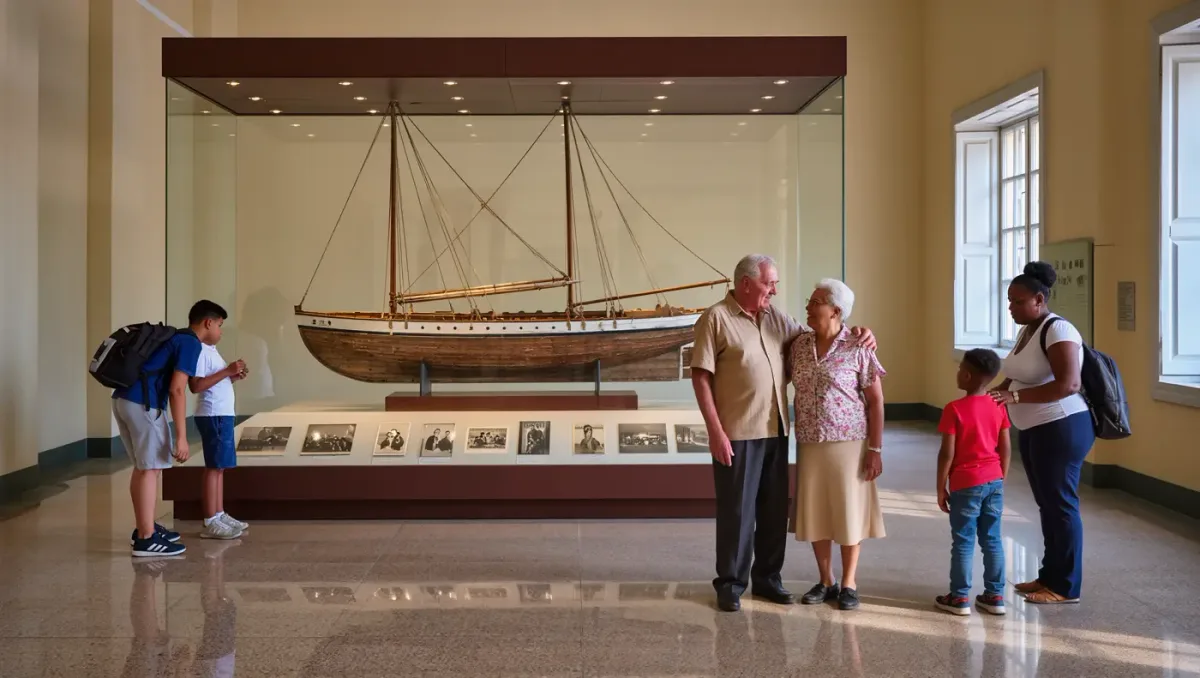
HistoryMiami's permanent exhibition, Tropical Dreams: A People's History of South Florida, carries visitors from the region's first Tequesta and Calusa inhabitants through Spanish rule, the pioneer era, the railway age and the 20th-century building booms. The museum gathers more than a century of collecting into rotating gallery shows drawn from its holdings of photographs, oral histories and everyday objects, and the exhibition program in recent years has leaned on Miami's own communities, from Little Haiti to Hialeah, for subject matter.
The building itself is part of the story. The museum has anchored the Flagler Street cultural plaza since the 1980s, and its galleries, classrooms and 2,400-square-foot exhibition hall sit a short walk from the Flagler Street corridor that gave downtown Miami its first commercial spine.
What does the Research Center offer?
Beyond the galleries, the museum operates the Research Center, an archive of more than a million photographs along with manuscripts, maps and architectural drawings documenting South Florida history. Access is by appointment rather than walk-in, and the center serves everyone from academic historians to residents tracing family property records in Overtown or Coconut Grove. Genealogists and students planning a visit should contact the museum in advance, since the center keeps its own hours apart from the galleries.
Does the museum run tours beyond its walls?
Yes. HistoryMiami has built a reputation on guided trolley and walking tours that carry the institution into the neighborhoods it documents. In recent seasons the tour calendar has covered ground in Little Havana along Calle Ocho, in Overtown along the historic NW 2nd Avenue corridor, and across downtown's early commercial blocks, led by guides trained on the museum's research collections. Tour routes, prices and dates change with the season, and reservations are handled through the museum's website or box office. Group tours are available by reservation only.
How should a first-time visitor plan the trip?
Two hours covers the permanent exhibition at an unhurried pace, and the museum suggests about that long for a first visit. Budget travelers do best on a second Saturday, when the free-admission day pairs with family activities; drivers should note that downtown parking around the cultural plaza is paid, and transit riders save the trouble entirely. Pairing the museum with the Main Library next door makes a full day of the plaza, and the theatre and concert halls of the Adrienne Arsht Center for the Performing Arts stand a Metromover ride away in the same downtown district.
Is the museum a good outing for families?
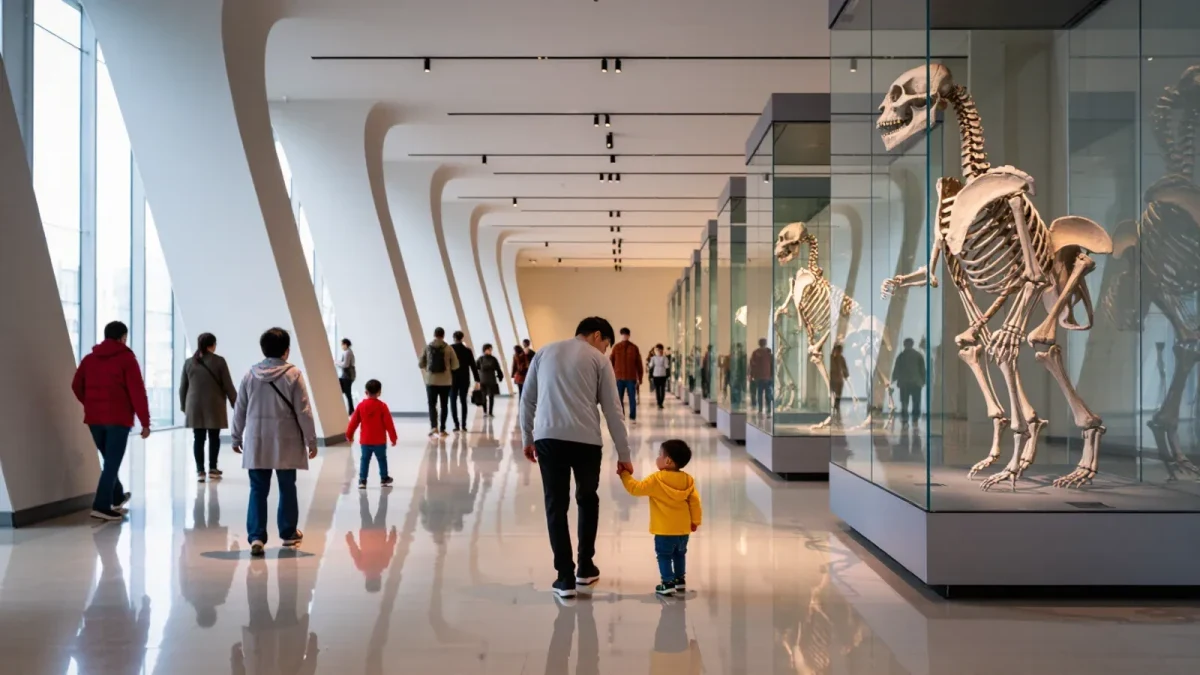
The museum pitches itself squarely at families, and the second-Saturday free days carry the proof: those dates typically bring hands-on art-making, storytelling and family tours aimed at children, and the galleries keep scavenger-hunt materials at the front desk on ordinary days as well. Strollers move easily through the ground-floor galleries, and the courtyard plaza gives younger visitors room to decompress between exhibition rooms. School groups from across Miami-Dade County rotate through on weekday mornings, so families planning a quiet visit do better on weekend afternoons.
What else happens at the museum through the year?
The exhibition calendar turns over several times a year, and the museum layers public programming on top of it: evening talks with authors and historians, panel discussions tied to current shows, and community days built around neighborhood anniversaries and heritage months. The museum's oral history program has spent decades recording long-time residents, from civil rights organizers in Liberty City to Cuban exiles who rebuilt their lives around Little Havana's SW 8th Street, and those recordings surface in the galleries and in public events alike. Membership brings previews of new exhibitions, discounts on the trolley tours, and free year-round admission.
The collection itself rewards slow looking. Costume pieces from Miami's mid-century tourism years hang near citrus crates from the Redland's early farming settlements, and a recreated railroad car recalls the 1896 arrival of Henry Flagler's Florida East Coast Railway, the event that turned a frontier settlement into a city. Wall panels carry the text in both English and Spanish, a practice the museum has maintained across recent exhibitions.
How does a visit fit into a day downtown?
The museum's Flagler Street location puts it within walking distance of the downtown riverfront and the Miami River's historic marching line of old storefronts to the west, and the free Metromover loops past Government Center a few blocks away. Visitors who build a day around the cultural plaza can register for a library card next door in the morning, walk the museum's galleries after lunch, and finish with the outdoor sculpture and public art scattered across the county government blocks. Weekday mornings bring school groups; weekend second Saturdays bring families; late weekday afternoons tend to be the quietest window of all.
Details such as holiday closures, special exhibition fees and tour schedules change over the course of the year. The museum's posted hours and prices above reflect its schedule as of January 2026.