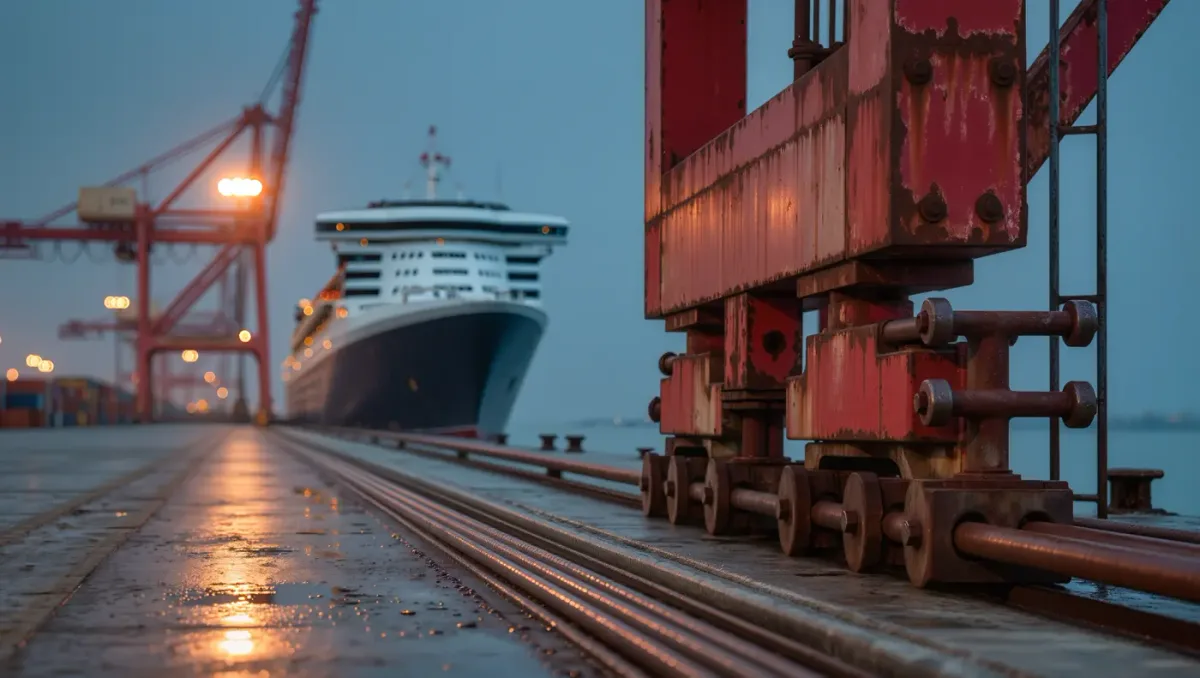
Governor Ron DeSantis proposed more than $120 million for seaport infrastructure in his Floridians First budget recommendation for fiscal year 2026-27, released December 10, per the governor's office, an increase from the roughly $80 million Florida allocated to ports in the prior year. The money funds dredging, berths, rail connections and security at Florida's 15 public seaports, and no port in the system has a bigger claim on it than PortMiami.
The state line item is the portion Miami-Dade watches because PortMiami has historically drawn the largest single allocations when Florida distributes port dollars. Per the Florida Department of Transportation, PortMiami received $66.9 million under the state's 2021 seaport recovery program, the biggest award in that round. The port, by its own accounting, says it contributes $61 billion a year to Florida's economy, an attributed figure that anchors Tallahassee's willingness to keep investing in Dodge Island.
The December recommendation was only the opening bid. The Legislature's Senate filed its own roughly $115 billion budget proposal during the session that ended March 13, per the Senate's published budget materials, and the final spending plan negotiated between the chambers decides what survives. Seaport funding has historically held up well in those negotiations because it is spread across many legislative districts, from cruise terminals in Miami to container berths in Jacksonville and Tampa.
The delivery mechanism for most of this money is the Florida Seaport Transportation and Economic Development program, under which port authorities submit projects to a state council and match a share of each award. Dredging, berth reconstruction and intermodal rail connections dominate the project lists, and cruise-heavy ports like PortMiami compete alongside container ports in Jacksonville and Tampa for the same pool. The conference committee that reconciles the House and Senate budgets in the session's final days is where port line items historically gain or lose ground.
Why it matters here: state dollars supplement, and often unlock, PortMiami's own capital program, which Miami-Dade County funds largely through bond proceeds under its seaport budget. Steady state participation affects the pace of terminal modernization that cruise passengers notice and the cargo and rail work that residents of downtown Miami and Overtown feel in truck traffic. The county's own fiscal year 2026-27 seaport proposal, published by Miami-Dade, shows the local share alongside the state line, giving readers the full picture of who pays for what on the island. The port's own capital plan shows which projects carry state participation and which the county funds alone.