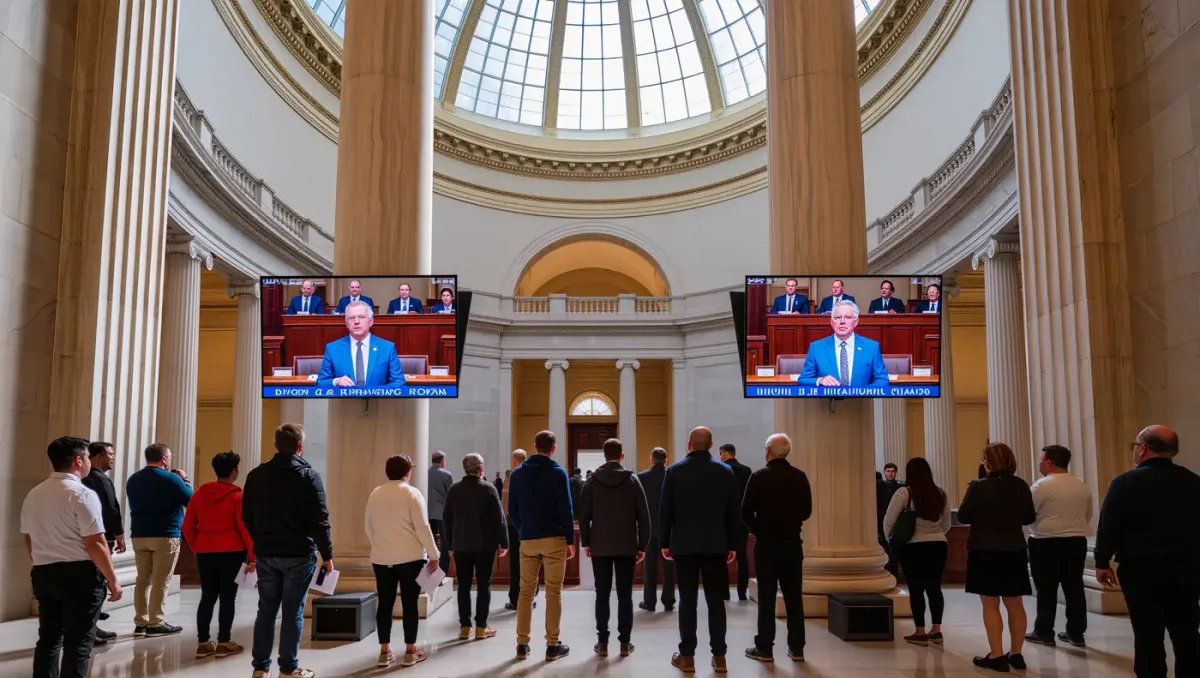
The Florida Legislature opened its 2026 regular session in Tallahassee on Tuesday, January 13, starting a 60-day run that ends March 13, and Miami-Dade County has a direct stake in what reaches the governor's desk. More than 1,200 bills had been filed by opening day, per the Florida House, among them local measures that name the county outright. The session also sets a state budget that funds transit, housing and water programs Miami-Dade depends on.
The spending fight starts from a large marker. Governor Ron DeSantis released his "Floridians First" budget proposal for fiscal year 2026-27 on December 10, calling for $117.4 billion in spending, $16.75 billion in reserves and $250 million toward debt reduction, per the Executive Office of the Governor. The House and Senate will write their own plans before the two chambers negotiate a final budget in the session's closing weeks.
Among the first Miami-Dade items filed were claims bills, the special acts that compensate residents for judgments against local government. Per the Florida Senate's bill records, a relief act for Lourdes and Edward Latour by Miami-Dade County was filed January 13 and sponsored by Senator Joe Gruters. Claims bills require passage by both chambers and the governor's signature, and they routinely move slowly because each one sets a precedent for the next claim.
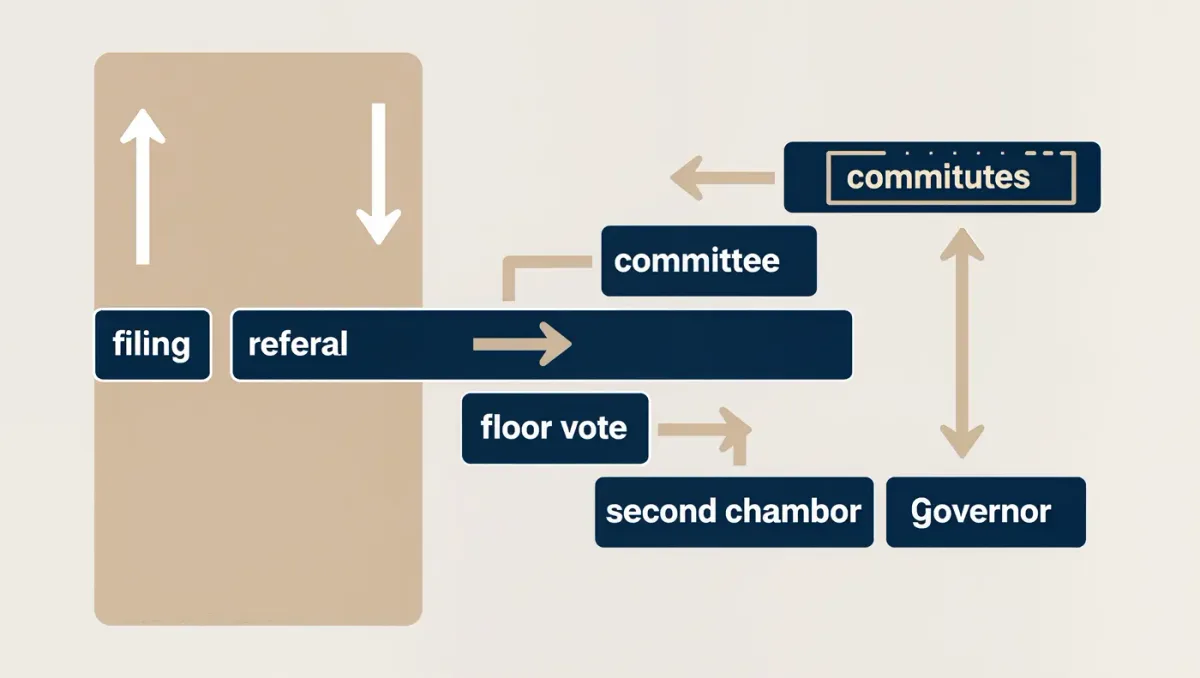
Procedure shapes the odds. A bill must clear its committee references before it reaches a floor vote, and the first committee deadlines land in the session's opening weeks. The budget follows a separate track: the House and Senate pass their own plans, a conference committee reconciles them in the session's final days, and the governor holds a line-item veto on the result. For local projects, the practical deadline for a Miami-Dade ask is not the March 13 sine die but the committee stop weeks before it.
Why it matters here: the state budget covers a fiscal year that begins July 1, and its transit, seaport and housing lines determine what Miami-Dade agencies can plan for, from expressway work to affordable-housing subsidies. Committee stops and floor votes over the next nine weeks will show which local projects survive, and the December budget proposal frames how much room the state has to fund any of them, from transit construction to beach and water work. Readers can track every filed bill on the House and Senate websites, where each measure carries its sponsor, committee history and amendment text.