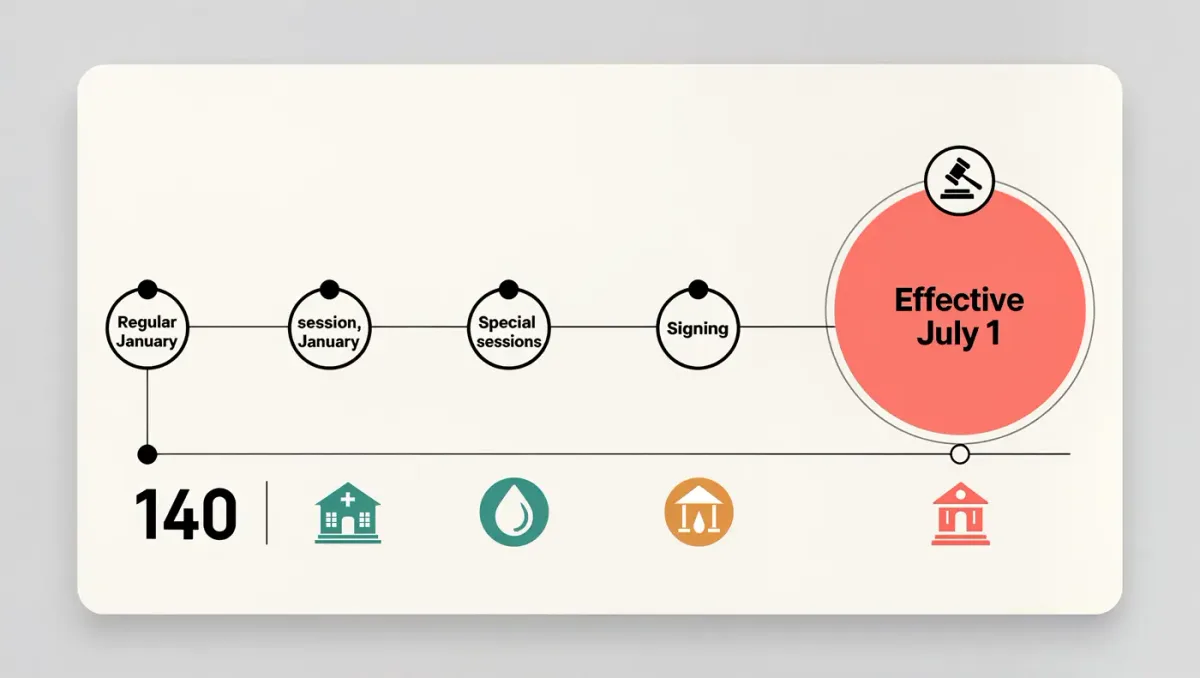
About 140 laws passed during Florida's 2026 regular session and its special sessions took effect on July 1, per the Miami Herald's review, arriving with the start of the state fiscal year. The batch spans everything from the state budget itself to criminal penalties, school rules and utility policy, and every one of them reaches Miami-Dade's 27 municipalities, its school district and its courts at the same moment.
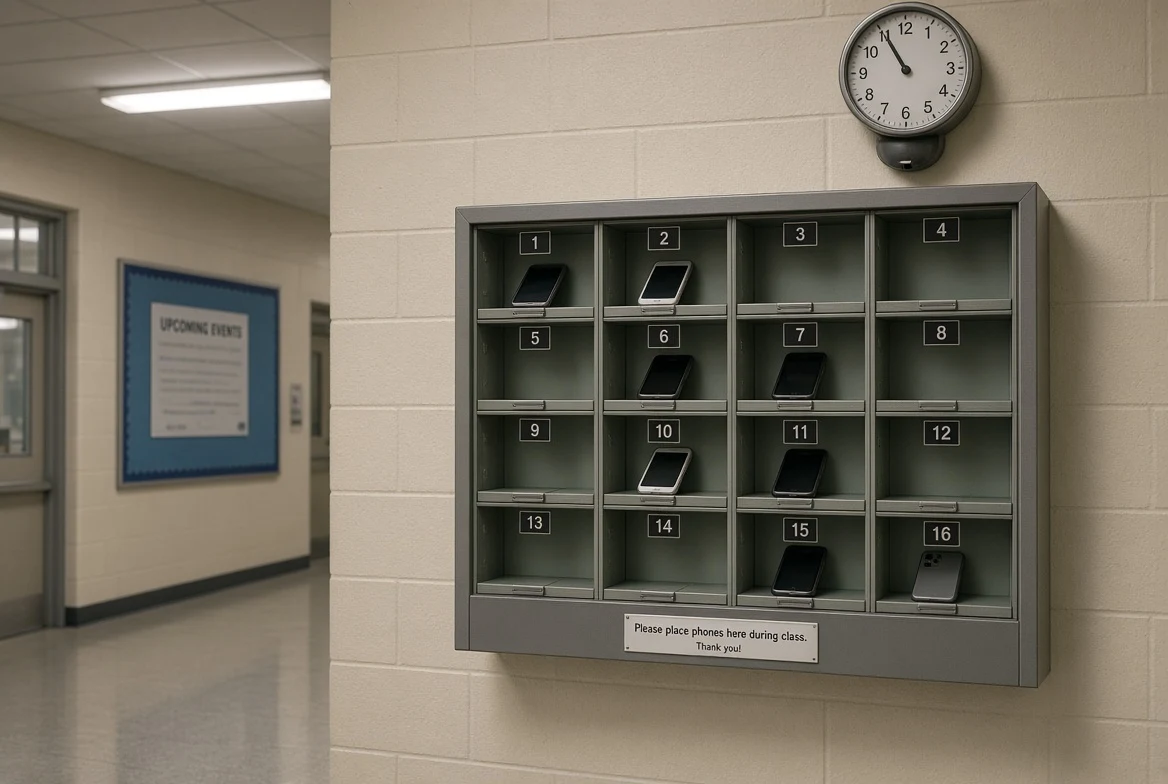
Among the changes press roundups highlighted: restrictions on student cellphone use tighten during the school day, a state ban on adding fluoride to public drinking water takes hold, penalties for certain acts of animal cruelty increase, and the restricted distance for sex-offender loitering and prowling rules grows from 300 to 500 feet, per ClickOrlando's compilation of the effective date. Each measure carried its own implementation path; some required new signage, some new software, and some, like the water-fluoridation ban, required utilities to change long-standing treatment practice.
Miami-Dade's local footprint makes the transition visible at scale. The school district, one of the largest in the nation, spent early summer updating student-handbook language and enforcement training for the phone rules. Water utilities serving Miami Beach, Hialeah and unincorporated Miami-Dade had to document their treatment changes under the fluoride law. County attorneys briefed commissioners on the loitering-distance change because municipal police departments enforce it on the same streets as county officers.
Why it matters here: July 1 is the date residents feel state government without opening a newspaper, in a classroom rule, a tap-water notice or a police interaction. The Florida Senate's published bill summaries list every law that took effect, with sponsors and effective dates, which remains the most reliable single reference for what changed and what a specific law actually says. Lawsuits and amendment bills are already a fixture of the post-effective-date period, so a few of these provisions will look different by next session.
The July 1 date is not chosen case by case. Under Florida's constitution, a law without its own effective date takes effect on the 60th day after the session adjourns, which for the 2026 session fell on July 1, the same morning the fiscal year began. That is why the budget, which is itself a law the governor signed, switched on alongside the policy changes. Provision-specific dates, tied to federal approvals or school-year timing, are printed in each act's effective-date clause, which county lobbyists and municipal clerks read closely, since a single sentence can move a compliance deadline by months.