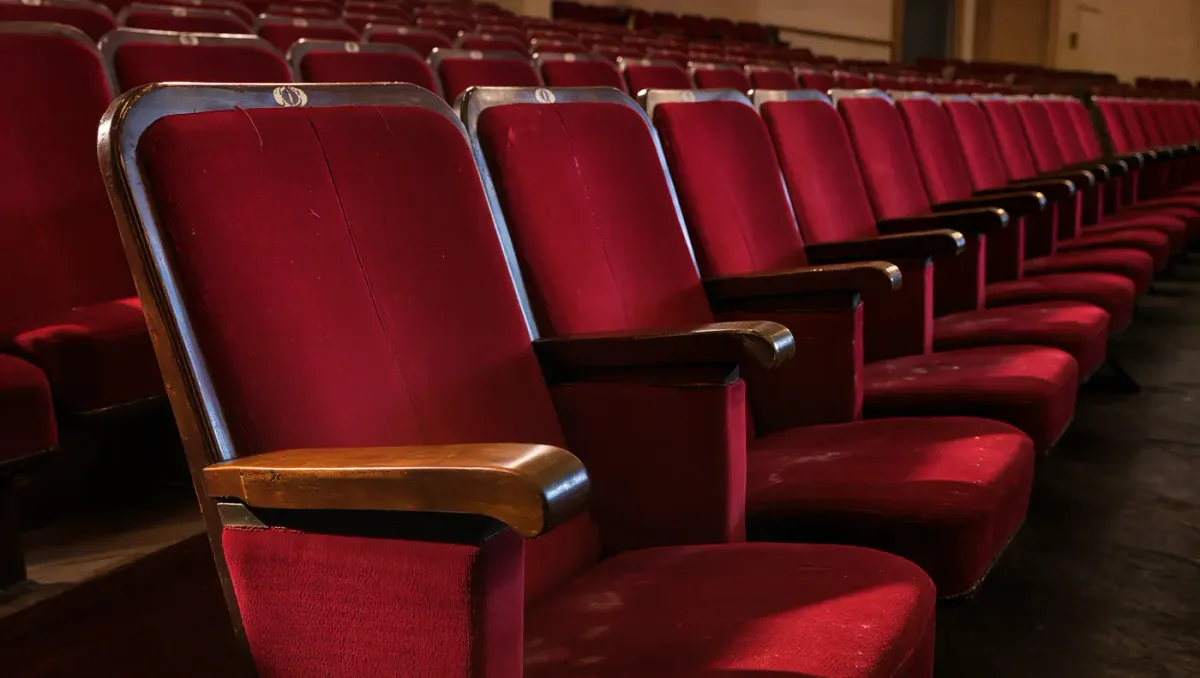
The Lyric Theater at 819 NW 2nd Avenue in Overtown, built in 1913 and added to the National Register of Historic Places on January 4, 1989, is the oldest legitimate theater standing in Miami, and after a 1988 rescue by the Black Archives History and Research Foundation of South Florida it reopened in 1999 as the anchor of the Black Archives Historic Lyric Theater Cultural Arts Complex. The 400-seat house that once booked Billie Holiday, Count Basie and Ella Fitzgerald now serves as an exhibition hall, archive and stage for the neighborhood that built it.
The building's second century began with its history intact but its role still consolidating, and the theater's present depends on how Overtown's own institutions carry the story forward.
What was the Lyric Theater in its first life?
When the Lyric opened in 1913, NW 2nd Avenue was becoming the commercial spine of colored town, the segregated district that grew northwest of Miami's white downtown. The theater was among the few Black-owned and operated houses in the South, and it ran films, vaudeville and live touring acts for an audience the downtown theaters refused. During the big-band era the Lyric and the avenue around it joined the circuit of Black venues that touring musicians called home base in Miami, the route later known as the Chitlin Circuit. Holiday, Basie and Fitzgerald played the room, and the street outside carried nightclubs, rooming houses, restaurants and offices owned by Black Miamians, from doctors to contractors.
What happened to the theater and the avenue?
The 1960s broke the district. The construction of Interstate 95 and the downtown expressway cut through Overtown, displacing thousands of residents and severing the pedestrian traffic that kept NW 2nd Avenue's businesses alive. The Lyric went dark and stayed that way for decades while the avenue emptied around it. By the 1980s the building that had anchored Black Miami's main street stood vacant in a neighborhood that had lost most of its commercial spine, and the theater's survival was itself unusual: most of the district's entertainment buildings from the era were gone or unrecognizable.
How did the Black Archives save the building?
The Black Archives History and Research Foundation of South Florida, founded in 1977 by Dorothy Jenkins Fields to document Black Miami, bought the theater in 1988 and began the restoration that returned the house to working order. The grand re-opening came in 1999, a decade later, and in 2004 the organization formally developed the site as the Black Archives Historic Lyric Theater Cultural Arts Complex, folding the theater into an institution that also holds archives, exhibitions and public programming. The National Register listing had recognized the building in 1989, one year into the rescue, locking its significance into the federal record.
What does the Lyric do today?
The complex operates as Overtown's cultural living room: a 400-seat theater for performances, film screenings, lectures and community gatherings, gallery space for rotating exhibitions on Black South Florida history, and the Archives' research holdings nearby. The organization has used the stage for programming that ties the avenue's past to its present, from heritage celebrations to partnership events with schools and civic groups. Regular weekday hours run roughly 9 a.m. to 5 p.m. Monday through Friday per posted listings, though event schedules vary and visitors should confirm details with the Archives before a trip.
Who led the rescue, and why did it matter?
Dorothy Jenkins Fields, a historian and school librarian, founded the Black Archives in 1977 after years of collecting the paper record of Black Miami, and the theater purchase a decade later turned an archive into a preservationist. The strategy had precedent nowhere else on the avenue: rather than marking the district with plaques, the organization bought its most important building and made history's home functional. The model shaped the decades that followed, as the Archives expanded its holdings and pressed for recognition of other Overtown sites, and it made the Lyric the rare historic theater in Miami whose programming and ownership stayed in community hands through the city's real-estate cycles.
What else stands on the historic avenue?
NW 2nd Avenue keeps fragments of the district that made the Lyric famous. The Greater Bethel African Methodist Episcopal Church, whose congregation dates to the 1890s, stands nearby as the neighborhood's oldest institutional anchor, and storefront blocks from the avenue's commercial prime survive in patches between later construction. Historic markers along the street now narrate the nightclubs, hotels and businesses that served Black Miami in the segregation era, and walking tours route visitors past the theater as the standard first stop. The avenue's revival as a cultural destination builds on exactly the inventory the Lyric's rescue preserved.
The theater's institutional home also keeps the paper trail of the neighborhood it serves. The Archives' collections hold photographs of the avenue's nightclub era, business ledgers from Black-owned firms, church programs, and the records of civic organizations that fought segregation from inside the district, all searchable by appointment and cited in school curricula across the county. For researchers and families, the complex functions as both stage and study, a pairing the Lyric's original owners would have recognized.
Why does the theater still matter to Overtown?
The Lyric is the last of the avenue's great halls, and its rescue set the pattern for the neighborhood's cultural claims on its own history. The Black Archives' later work on the neighborhood's historic sites followed the theater's template: identify, restore, program. New investment has reached NW 2nd Avenue in recent years, and the theater stands as the district's proof that Overtown's landmarks can hold their ground when the institutions that own them answer to the community that built them. The building that survived darkness, highways and demolition now anchors the avenue's comeback story with its original marquee facing the street.