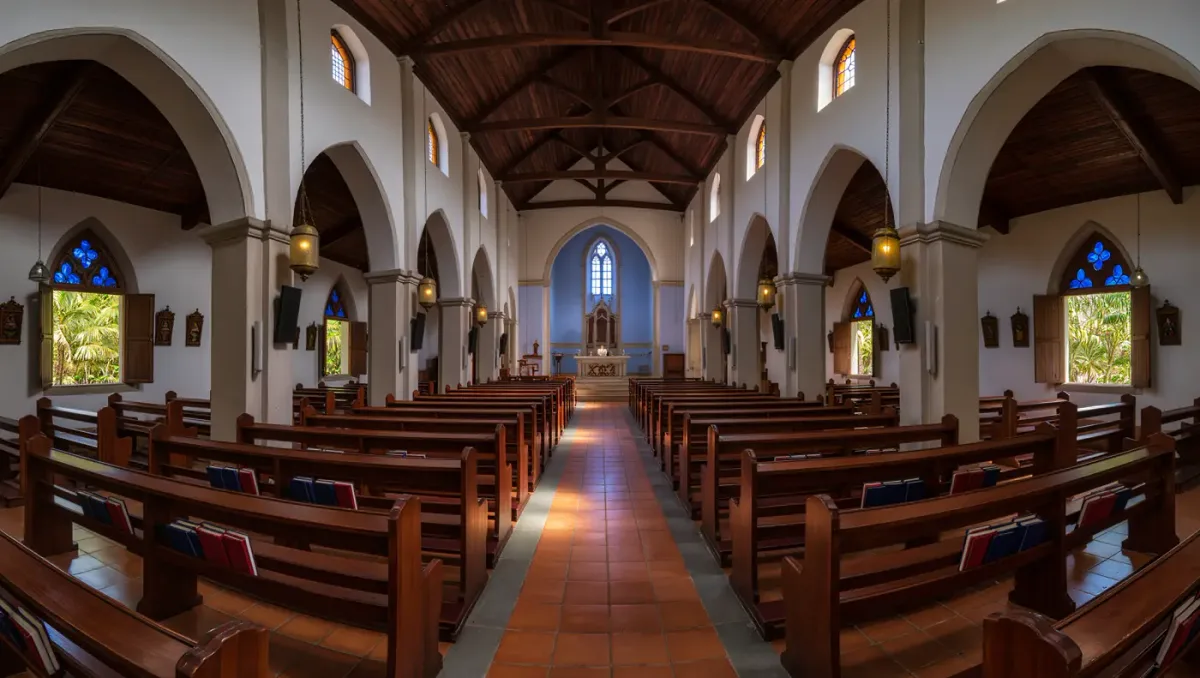
Christ Episcopal Church, at 3162 Virginia Street in Coconut Grove's West Grove, was founded on March 24, 1901, by a group of West Indian — overwhelmingly Bahamian — churchmen, per the parish's own published history. The congregation grew out of the settlement that Bahamian workers built along Charles Avenue and surpasses most of Miami's institutions in age: the parish predates much of the city that grew around it, and it remains an anchor of the Grove's Bahamian-descended community more than 120 years later.
Why did Bahamians found a church in Coconut Grove?
The answer lies in the workforce that built early Miami. Bahamian immigrants — the "Conchs" of South Florida's early accounts — settled the Grove's southern edge in the 1880s and 1890s, working as laborers, carpenters, midwives and boatmen. They built the Barnacle's neighbors along Charles Avenue, helped construct the estates of Coconut Grove, and, as historians documenting the Grove's first Black churches record, they organized their congregations before the city of Miami existed in its present form. The Peacock Inn and the pioneer settlements drew a steady stream of families from Nassau and the Out Islands, and by the turn of the century the West Grove community needed its own parish.
Christ Episcopal's founding on March 24, 1901, in the home of the Clark family on Charles Avenue, per the parish history, put an Episcopal congregation at the center of that community. Its sister institution, First Baptist Church of Coconut Grove, traces to the same settlement wave; together they formed the spiritual infrastructure of the West Grove.
What role did the parish play in the West Grove?
In the segregated decades that followed, the church functioned as far more than a Sunday building. It housed the community's schools, meetings and mutual-aid societies; its vestry records track the families — the Culmers, the Higgses, the Rolles, the Campbells — whose descendants still live within walking distance. The parish stood through the eras when MacFarlane Homestead's wooden houses went up, when US 1 and later the commodification of the Grove pressed on the West Grove's boundaries, and when the neighborhood's population shifted with each generation's arrivals from the Islands and from the American South.
That continuity is the point historians of the Grove keep returning to: an institution that stayed when almost everything else in the neighborhood's commercial life changed. The Bahamian cultural inheritance — Junkanoo traditions, island foodways, the cadence of church music — passed through parish halls as much as through homes.
Where does the congregation worship now?
The parish worships at 3162 Virginia Street, in the heart of the West Grove between Grand Avenue and the community's historic Charles Avenue corridor, with the church office reachable at 305-442-8542, per the parish's published schedule. Holy Eucharist is celebrated Sunday at 9 a.m., midweek mass runs Wednesday at noon, and Bible study meets Wednesday at 7 p.m., per the parish's postings. Services stream online as well, a practice the congregation adopted to reach members who have moved from the neighborhood.
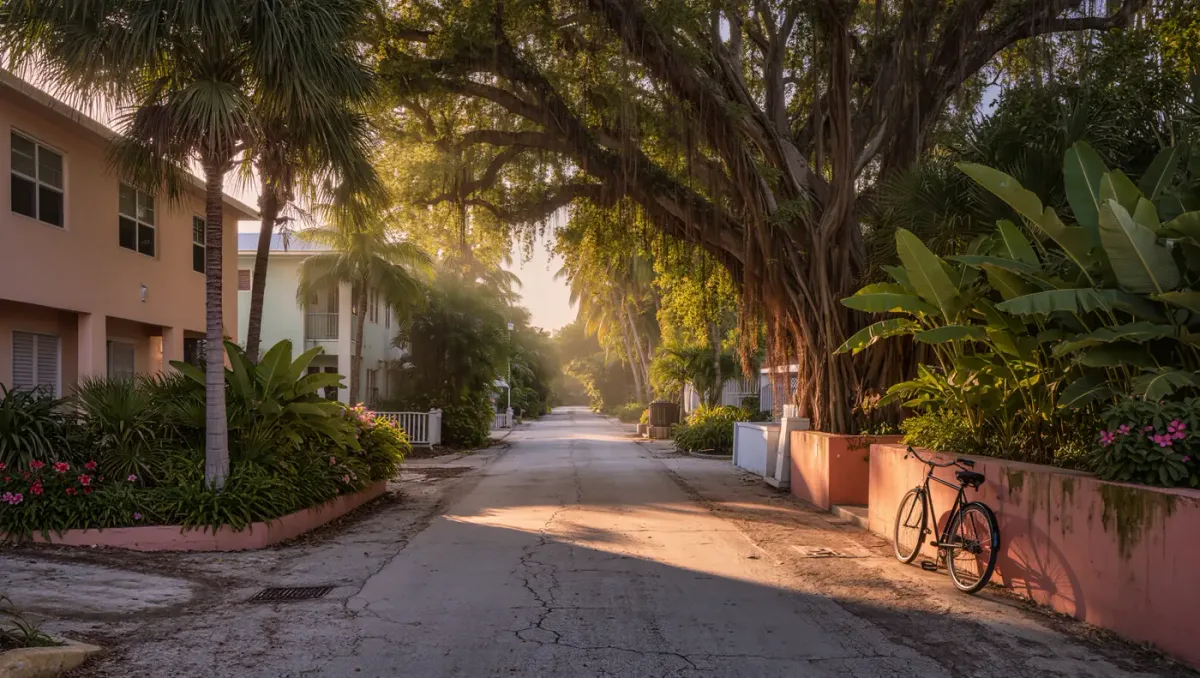
The church's grounds place it among the Grove's historic sites — a short walk from the Charles Avenue pioneers' cemetery area and from the streets where the community's earliest wooden houses stand, now subjects of preservation debates that the parish's longevity regularly informs.
How does the parish fit Coconut Grove today?
Coconut Grove is one of Miami's most transformed neighborhoods, and the West Grove most of all: gentrification pressures, development proposals along Grand Avenue and preservation fights over the Bahamian heritage sites have all run through the community in recent decades. Within that changing district, Christ Episcopal operates as both a worshiping congregation and a custodian of memory — its anniversary observances gather the descendant families, its partnerships connect with preservation efforts documenting the Grove's Black history, and its presence on Virginia Street keeps a 1901 institution on a street of 21st-century real estate.
The church's own history page and local heritage projects, including documentation by Vizcaya's community-history program of the Grove's first Black churches, place the parish among the oldest continuously operating Black congregations in South Florida. Its 1901 founding came five years after Miami's incorporation in 1896, and more than a century later it outlasts nearly every institution of the Grove's early Black settlement that remains in its original role.
How has the congregation marked its history?
Anniversary seasons are the parish's public moments. Founding-day observances bring back descendant families who now commute in from Broward, from Miami Gardens, from across the county, and services on those Sundays fill the pews that ordinary weeks hold loosely. The parish's records — vestry minutes, confirmation rolls, funeral registers — double as one of the West Grove's few continuous archives, consulted by historians and preservationists documenting the Bahamian settlement as the neighborhood's older wooden buildings disappear. In recent years, as Coconut Grove's institutions have mounted exhibitions on the community's Black and Bahamian founders, the parish has lent both artifacts and memory to the effort.
What should visitors know before attending?
Visitors are received without ceremony at the Sunday 9 a.m. Eucharist; dress runs to Sunday-best, and the music — choir-led, with Caribbean and Anglican repertory side by side — is the service's signature. Heritage-minded visitors should also walk Charles Avenue afterward to see the pioneers' corridor the founders came from. Office hours run weekdays, and callers to 305-442-8542 can confirm holiday service times, which shift with the calendar.
More than 120 years after Bahamian churchmen founded the parish in a family's front room on Charles Avenue, Christ Episcopal remains what its founders built it to be: the West Grove's own church, in the neighborhood its congregation helped create.