A neighborhood watch is a group of neighbors who agree to notice what is normal on their block, report anything unusual to the police, and look out for one another. It is not a patrol force, and members are not expected to intervene in anything. On a Miami block, starting one usually comes down to three moving parts: enough interested neighbors, a first meeting, and a point of contact at the local police department.
The work is more organizing than anything else. Someone has to knock on doors, book a space, and keep a simple contact list. Someone else has to reach out to the police district that covers the neighborhood and ask for a liaison or crime-prevention officer to attend. Everything after that builds on those two foundations.
Residents who already run associations, share event halls, or book park pavilions through community groups around Miami-Dade have a head start. A watch can borrow the same habits: a named organizer, a regular meeting, and a way for newcomers to join.
What does a neighborhood watch actually do?
A watch observes and reports. Members learn what a normal evening looks like on their street, so they can tell when something is off, and they call the police non-emergency line or 911 rather than handle a situation themselves. The group also runs a communication channel, often a group text or an online forum, where neighbors pass along warnings about suspicious activity, lost pets, or a string of car break-ins.
What a watch does not do matters just as much. Members do not carry weapons, detain anyone, chase suspects, or share photos of people they believe look suspicious without care. Those limits protect both the neighborhood and the group itself, and police liaisons typically spell them out at the first training session.
The payoff is familiarity. Neighbors who know each other's cars, schedules, and visitors are better at spotting what does not belong. Safety concerns run deep in neighborhood life generally; on the community platform Nextdoor, for example, neighbors in East Greenwich, Rhode Island list feeling safe among the top reasons they value their town, alongside friendliness and walkability. The same logic applies block by block in Miami: a watch formalizes what attentive neighbors already do informally.
How does a first meeting get off the ground?
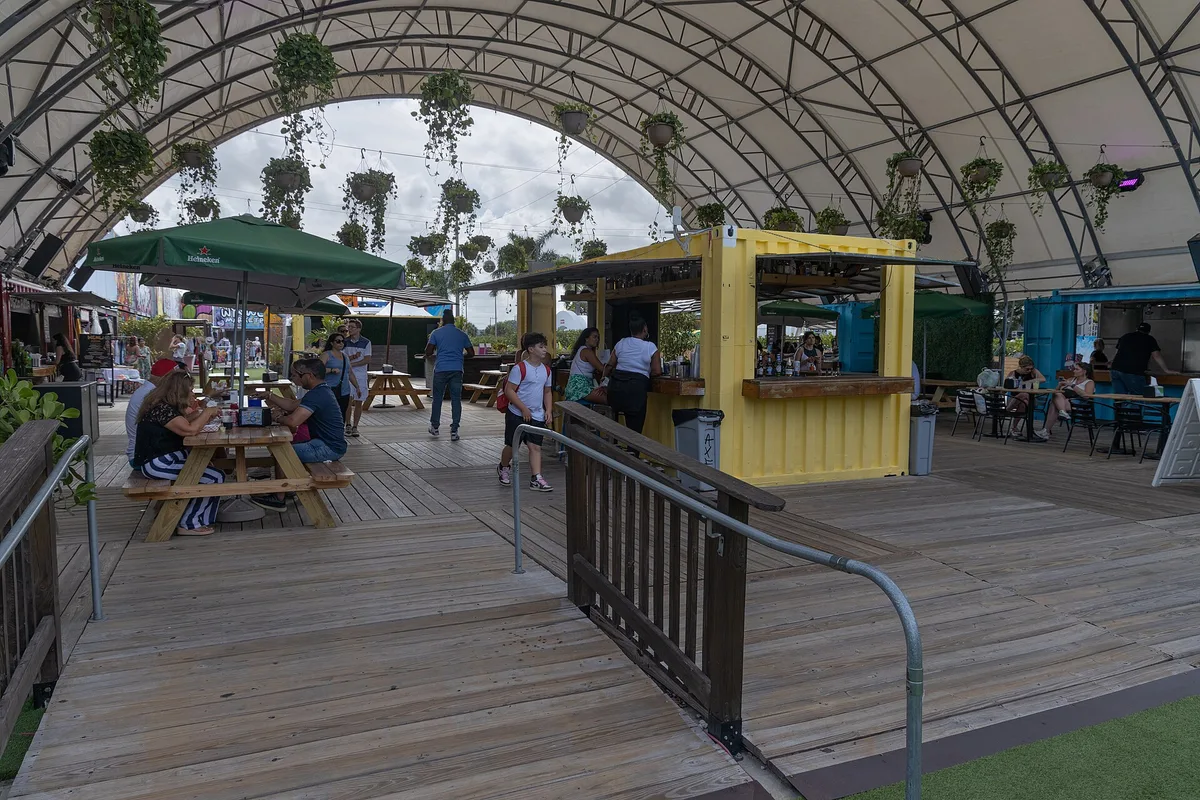
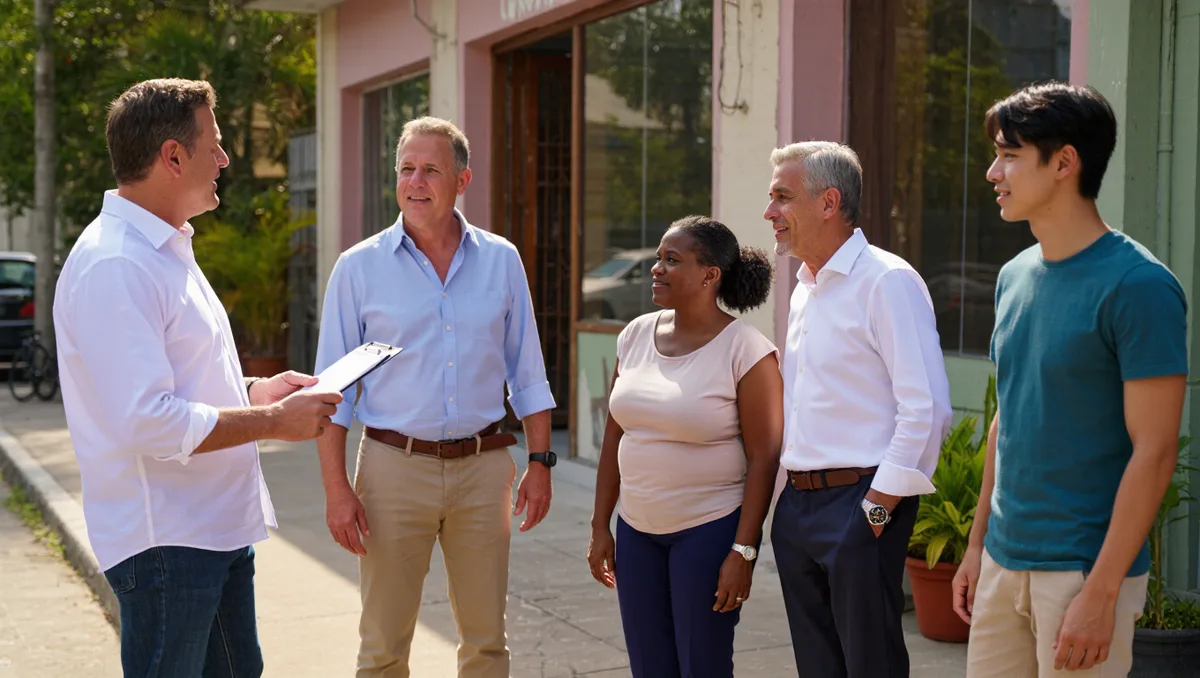
Start with a small core group rather than the whole block. Two or three committed neighbors can split the early tasks: one drafts a short flyer or door hanger inviting the block, another collects names and contact details, and a third finds a meeting spot. Front porches, someone's living room, a condo clubhouse, or a church hall all work. Some blocks hold the first meeting in a nearby park; Miami-Dade's reservation system covers shelters and event spaces for groups that want a guaranteed spot. Readers following this should also see Miami-Dade Parks Reservations: How to Book Shelters, Fields and Event Spaces.
Pick an evening time and keep the first meeting short, about an hour. The agenda is simple: introduce neighbors, describe the problem the group wants to address, and decide on two things, a coordinator and a communication channel. The coordinator does not run everything forever. The role is to convene the next meeting and serve as the contact point for police.
Expect uneven turnout. A first meeting of six people is a real start, not a failure. The goal is a working core that can grow when the group has something to show, such as a police liaison visit or a shared contact list.
How does a watch connect with Miami-Dade police?
The formal step is contacting the police district that patrols the neighborhood and asking about crime-prevention resources. Miami-Dade police and municipal departments in the county's cities typically assign crime-prevention officers or liaisons who can speak at community meetings, explain what to report and how, and in some cases help organize formal watch registration. The exact programs vary by department and change over time, so the reliable move is to call the district's non-emergency number or check its community-outreach page and ask what it offers blocks that want to organize.
When a liaison attends, the meeting usually covers the reporting basics: what counts as an emergency, what belongs on the non-emergency line, and what details officers need, such as descriptions, direction of travel, and vehicle information. Liaisons can also clarify what the department can and cannot act on, which keeps expectations realistic.
Keep the relationship going after the first visit. A short follow-up email from the coordinator, an occasional update on what the block is seeing, and an invitation to speak again a few months later maintain the connection. Groups that stay in touch tend to get faster answers when something specific comes up.
What keeps a watch alive after the first month?
The groups that last share a few habits. They keep the contact list current, including renters as well as homeowners. They hold meetings on a predictable rhythm, whether monthly or quarterly, so attendance does not depend on a crisis. And they keep the communication channel focused, because a forum that turns into complaint threads loses the neighbors who joined for safety.
Pairing the watch with existing neighborhood structures helps. Blocks that already have an association can make the watch a committee of it, which handles continuity when the coordinator moves away. Residents figuring out that larger structure can start with the publication's guide to joining a neighborhood association in Miami, which walks through registration and first meetings. We covered a connected angle in How to Join a Neighborhood Association in Miami: Registration, Meetings and First Steps.
Recognition matters more than it sounds. A block that reports a pattern of break-ins and sees arrests should tell the group, because visible results recruit the next wave of members. So should low-stakes wins: recovered packages, a found dog, a quick warning that stopped a scam artist working the street.
What this means for your block
The sequence is short. Find two or three willing neighbors. Door-knock the block and hold a first meeting. Choose a coordinator and a communication channel. Call the police district and ask for a crime-prevention liaison. Then keep the list current and the meetings regular.
None of it requires special skills or money, and the county's civic infrastructure already supports it: community centers, park spaces, and associations that have been organizing Miami neighborhoods for decades. A watch simply adds the safety piece to what those institutions already do. The evidence for what works is consistent across communities where neighbors know one another's names and routines, unusual activity stands out, and reporting it becomes routine rather than a debate.
The unknown is always turnout. No organizer can predict whether a block will produce six committed people or twenty. The only way to find out is the flyer, the meeting, and the phone call to the district.