Vizcaya Museum and Gardens, the bayfront estate at 3251 South Miami Avenue in Coconut Grove, opens Wednesday through Monday from 9:30 a.m. to 4:30 p.m., with general admission posted around $25 for adults, $10 for children 6 to 12 and free entry for children 5 and under; the gates close on Tuesdays, Thanksgiving Day and Christmas Day. The estate built for industrialist James Deering between 1914 and 1922 is a National Historic Landmark, and its formal European gardens alone make it one of Miami-Dade's most-photographed historic sites.
City News Miami publishes information, not travel advice; prices and hours below reflect the museum's posted schedules as of July 2026 and remain subject to change, so visitors should confirm details before a trip.
Where is Vizcaya, and what is the estate?
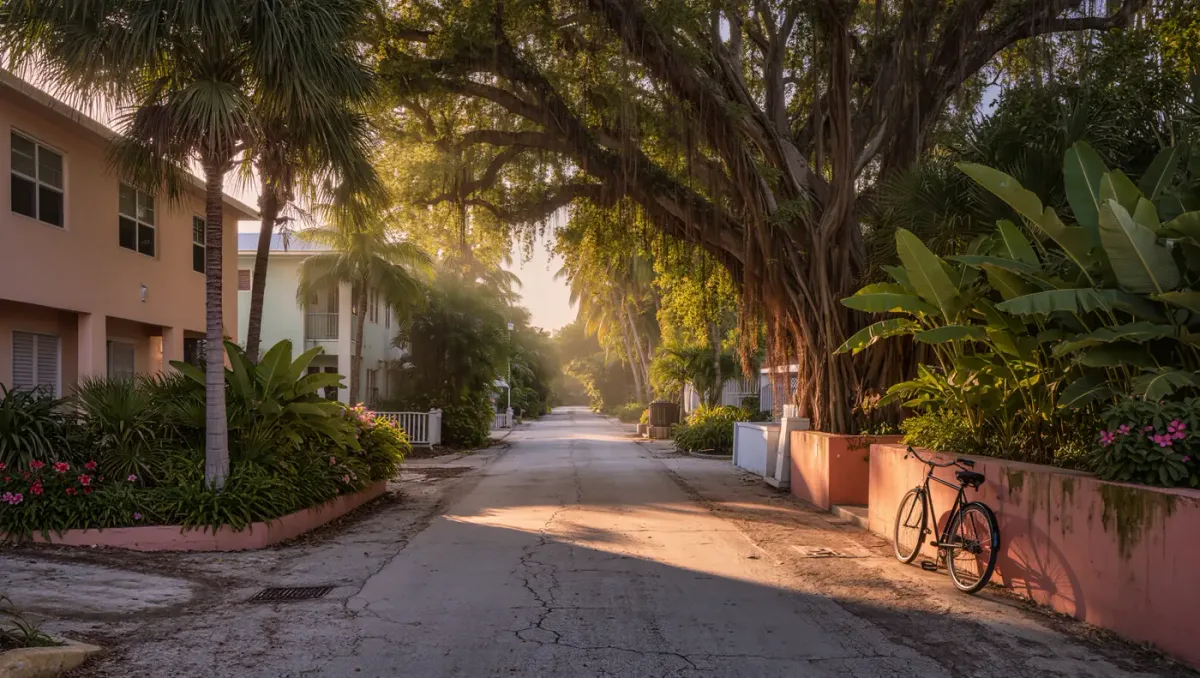
The estate occupies a bayfront parcel on South Miami Avenue north of Coconut Grove's business district, roughly a ten-minute drive from downtown Miami and a short walk from the Vizcaya Metrorail station, which the county named for the museum. James Deering, a vice president of the International Harvester company, built the winter estate between 1914 and 1922: a 34-room main house in the Italian villa manner, formal gardens in the Italian and French tradition laid out along Biscayne Bay, and a working compound of farm buildings that now forms the free-to-enter Vizcaya Village.
How much does admission cost?
Per posted rates, adults pay about $25, children 6 to 12 pay $10, and children 5 and under enter free, with occasional seasonal promotions trimming the price. The museum sells a full year of admission for two at $75, a membership rate that pays for itself in four visits. Admission covers the main house and the formal gardens; the village area across South Miami Avenue is free to enter for garden access, and guided tours of the village run on Sundays at 11 a.m. for $6 per adult, free for children 12 and under.
What will you see in the main house?
The villa Deering called his winter home holds rooms assembled from European antiques, architectural fragments commissioned in old styles and commissioned art, arranged by the designer Paul Chalfin with the architect F. Burrall Hoffman into a sequence of salons, loggias and a celebrated indoor courtyard open to the sky. The house looks south across the formal gardens toward the bay, and its terraces frame the same harbor views that drew Deering's generation of industrialists to Miami's shore. Interpretation throughout addresses the estate as a created world, including the labor of the Bahamian and Black Miamian workers who built it and the staff who ran it.
How much time do the gardens need?
The gardens reward at least an hour on their own. The garden designer Diego Suarez arranged the grounds in a series of walled rooms descending toward the bay, each with its own fountain, statuary and planting scheme, from the Secret Garden's hedges to the formal swimming pool at the water's edge, where a stone barge once anchored offshore as a breakwater. Hurricane seasons have battered the estate repeatedly, from the 1926 hurricane through Andrew in 1992 and Irma in 2017, and the museum's ongoing restoration work after each storm is part of the site's modern story. Shaded paths keep the walk manageable even in July, though the museum's summer visitors should carry water.
Is Vizcaya good for children and families?
The grounds carry it. Children under 6 enter free, the garden paths and fountains hold younger visitors' attention, and the museum runs family programming during the year, including its long-running public celebrations on the east lawn. Strollers negotiate the gravel paths and garden stairs with some effort, and the main house route includes stairs that make parts of the tour less accessible; the museum posts accessibility details and offers wheelchair accommodations for the ground floors. The Sunday village tours welcome children 12 and under at no charge.
What role does the estate play in the neighborhood?
Vizcaya functions as Coconut Grove's institutional anchor on the bay, the counterpart to the Peacock Park and marina strip south of it and the shops and cafes of the Grove's downtown core a few minutes north. The museum operates as a nonprofit holding the estate for the public, staging restoration campaigns funded by donors and county support, and its conservation work now extends to the bayfront grounds itself, where sea-level rise and storm surge have moved from abstractions to maintenance line items. School groups from across Miami-Dade tour the grounds during the year, and the museum's public programs use the village compound for markets and community events that pull residents who may never have paid to see the villa inside the gates.
What was the Vizcaya Village originally?
Across South Miami Avenue from the villa, Deering built a working compound that kept the estate running: a farm village with a dairy, greenhouse, mechanical shops, staff housing and a water tower, all in the same Italianate vocabulary as the main house. The village produced much of what the winter household consumed and sheltered the workers who maintained the grounds, and it stayed in agricultural and institutional use long after the estate's museum era began. Its ongoing restoration is the museum's largest current project, opening the compound to the public in stages and giving the free side of a visit its own destination quality.
How should a first-time visitor plan the trip?
Two and a half to three hours covers the house, the gardens and a rest in the café's shade, and morning arrivals beat both the heat and the school-group crowds that arrive after 10 a.m. in season. Transit riders save the parking fee: the Metrorail's Vizcaya station drops visitors at the estate's entrance on South Miami Avenue, and buses along US 1 stop nearby. Photography for personal use is welcome throughout the grounds, which explains the estate's standing as a favorite for portrait and wedding sessions, scheduled separately from general admission.
The estate's operating hours and posted prices above reflect its schedules as of July 2026, and holiday weeks, special events and film shoots can close sections of the grounds on short notice.