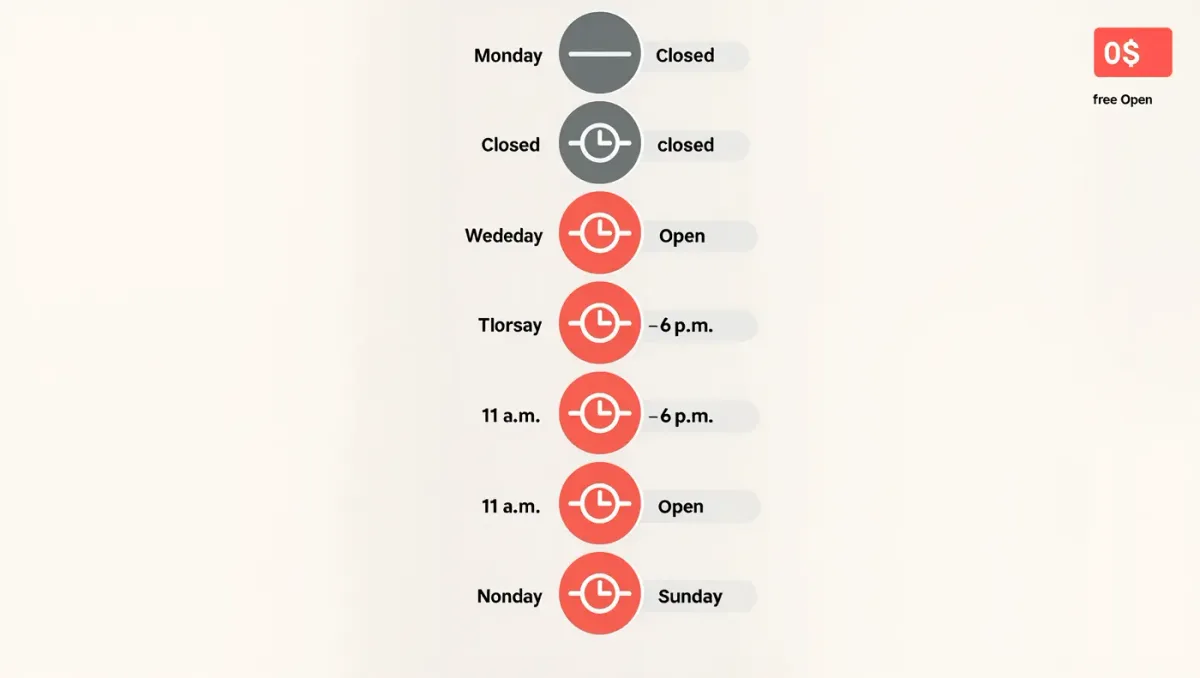
The Institute of Contemporary Art, Miami, at 61 NE 41st Street in the Design District, charges no admission at any time of the year, per the museum's own posted policy, with galleries open Wednesday through Sunday from 11 a.m. to 6 p.m. and a free guided tour leaving daily at noon. The museum closes on Mondays and Tuesdays, and a visit costs exactly what the transit or parking to reach it costs, a standing policy that has made the ICA the only always-free art museum of its scale in Miami-Dade County.
City News Miami publishes information, not travel advice; the hours and policies below reflect the museum's posted schedules as of August 2026 and remain subject to change.
Where is ICA Miami, and how do you get there?
The museum stands at 61 NE 41st Street, Miami, FL 33137, in the Miami Design District's core, the upscale retail neighborhood between Biscayne Boulevard and Northeast Second Avenue in the City of Miami's Upper Eastside area. The Design District's garages offer paid parking, with the district posting free-stay promotions that vary by season, and the NE 41st Street corridor is walkable from the Wynwood side via the Melin Building block. Biscayne Boulevard bus lines stop within a few blocks, and the museum's bronze-facade building, opened in December 2017 with about 37,500 square feet, announces itself at street level without a gate or ticket counter barrier.
How can a museum be free all the time?
The ICA was founded on free admission as a permanent policy rather than a promotion, underwritten by donors and the Design District's developers, who built the museum its home in exchange for a long-term lease. The museum's founding mission statement commits to providing free, year-round access to contemporary art, and the policy has held since the building opened in December 2017. Free ticket reservations are available online for guaranteed entry, though walk-ins are admitted as capacity allows, and the museum's daily noon tour is included at no charge.
What will you see inside?
The ICA collects and shows contemporary art with an emphasis on new and recent work, rotating its main galleries several times a year and building a permanent collection that has tracked Miami's own artists alongside international figures. First-floor galleries hold large-scale installations, the second floor carries rotating exhibitions, and a sculpture garden behind the building seats public commissions among the tropical landscaping. Special exhibitions during Miami Art Week in December draw international attendance, but the museum programs steadily through the year rather than concentrating its calendar in one week.
What does the museum do for the neighborhood?
The museum moved to the Design District from the Little Haiti building where it operated as the Moore Space, and it carried that community-education record into the new home. Its public programs include talks, performances and its ICA Ideas discussion series, and education programs reach Miami-Dade students during the school year. The free-admission policy does the largest share of that work: a museum two bus stops from Wynwood's studios and a short ride from Little Haiti and the Upper Eastside's apartment districts admits its neighbors on the same terms as Art Basel visitors.
When is the best time to visit?
Weekday afternoons outside special events stay quietest, and the daily noon tour gives first-time visitors a guided hour through whatever exhibitions are up. Wednesdays, the museum's first open day of the week, often carry freshly installed shows. December brings the crowds and the highest-energy programming; summer brings the thinnest visitor counts and the easiest parking. Visitors combining the museum with the Design District's public art and showrooms can make an afternoon of the district, since the same free-access logic runs through the neighborhood's outdoor collections.
How does the ICA fit among Miami's museums?
Miami-Dade's art museum field splits by mission: the Perez Art Museum Miami on the downtown bayfront holds the county's encyclopedic modern collection and waives admission on designated free days, the Lowe Art Museum at the University of Miami serves the university community in Coral Gables, and the Design District's ICA concentrates on contemporary work under a permanent free policy. The distinctions matter for planning. A visitor following the contemporary thread across the county can pair the ICA's rotating shows with the downtown museum's free days in a single month and pay nothing at either, and the ICA's smaller scale means a complete visit takes half the time of a bayfront circuit.
What did the museum look like before the Design District?
The institution began as the Moore Space, a gallery program in the Moore Building in Miami's Little Haiti district, founded in the early 2000s by collectors who wanted a contemporary exhibition space north of Wynwood. The reorganization into the Institute of Contemporary Art and the move south to the Design District in 2017 formalized what had been a project space into a collecting museum with an endowment plan, an education department and the free-admission covenant written into its founding documents. The Little Haiti origins still show in the museum's programming, which has maintained partnerships with artists and organizations across the northern urban districts rather than consolidating entirely into the retail corridor.
Reservations, while optional, repay the minute they take: a booked entry skips any queue on busy weekends and puts the visitor on the museum's list for exhibition-opening notices, which is how regulars catch the shows that draw lines in December. Families planning around the noon tour should arrive a few minutes early, since the guide departs from the lobby on schedule, and visitors arriving by bicycle will find racks near the entrance in keeping with the district's walkability push.
Is photography allowed, and what else should visitors know?
Personal photography is welcome in most spaces, with restrictions posted for specific exhibitions, and the museum's shop opens onto the lobby daily from 11 a.m. The building's public spaces are accessible, and the sculpture garden extends the visit outdoors. Exhibition schedules change several times a year, and the museum posts its current shows, tour times and any special closures on its own calendar, the practical check before any visit planned around a specific work.