Oolite Arts, the South Florida artist-support organization, keeps free galleries at 924 and 928 Lincoln Road on Miami Beach, open Wednesday through Sunday from noon to 5 p.m., while its new permanent home rises at 75 NW 72nd Street in Little River, slated to open in 2026 per the organization's own announcements. The exhibits cost nothing to see, the classes carry fees, and the wait is on for a campus designed to hold 21 free artist studios, classrooms, a print shop and exhibition halls under one roof.
City News Miami publishes information, not travel advice; the details below reflect the organization's posted schedules and announcements as of April 2026 and remain subject to change.
What is Oolite Arts, and what does it do?
The organization, founded in 1984 as the ArtCenter/South Florida, exists to support working visual artists across Miami-Dade rather than to collect or sell for a museum. Its mission statement, per its own materials, is to support artists and advance the knowledge and practice of contemporary visual arts and culture in South Florida. In practice that has meant subsidized studios for resident artists, teaching programs in drawing, painting, printmaking and digital media, exhibitions that put local artists in front of Miami Beach's tourist foot traffic, and direct grants during its grant cycles.
What can you see at the Lincoln Road galleries?
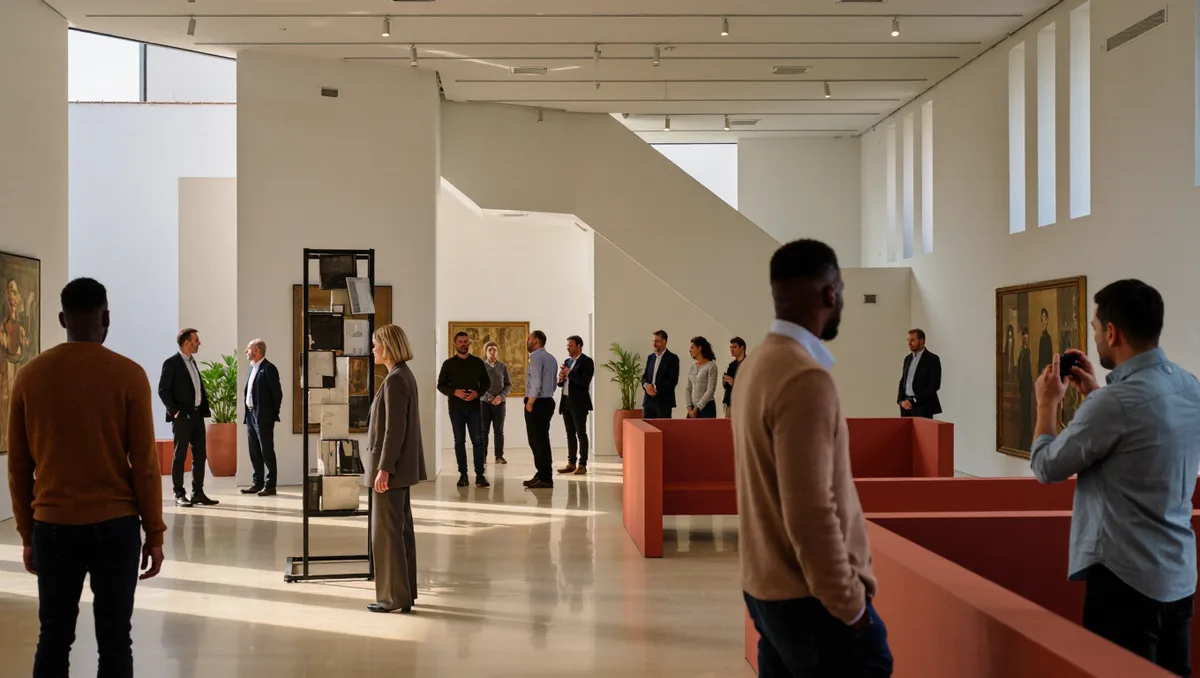
The two storefront galleries on Lincoln Road rotate exhibitions of contemporary work, most of it by South Florida artists, and admission is free. A Student Showcase runs periodically with pieces from class participants, and the organization's Project924 space hosts community-driven initiatives between shows. During Miami Art Week in December, the galleries join the strip's programming with special exhibitions and events. The location is the point: Lincoln Road's pedestrian mall between Michigan Avenue and Alton Road carries tourists and locals past the windows daily, and the galleries put local artists in that stream.
How do the classes work?
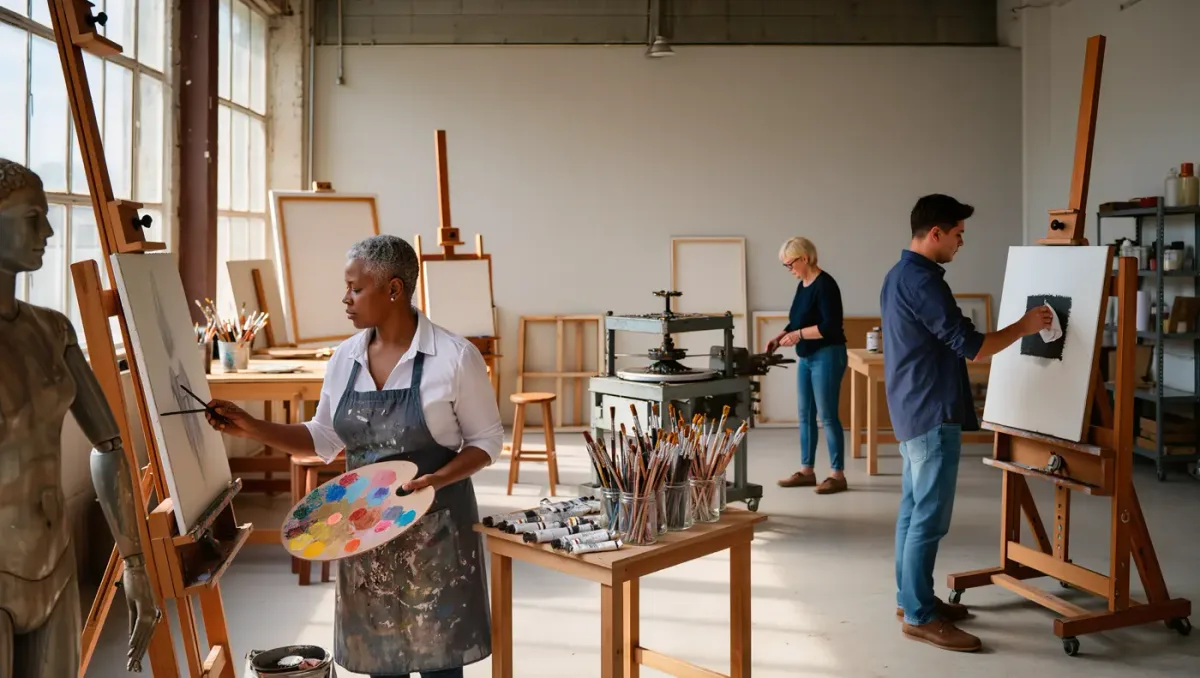
Oolite Arts teaches more than 200 adult classes and workshops a year, per its own programming, spanning drawing, painting, printmaking, textiles, mixed media and digital art, in multi-week courses and one-day workshops. A new season of classes opens each fall, and open studio sessions, including figure drawing and printshop hours, let working artists use equipment without enrolling in a course. Fees apply to most classes, with materials lists published in advance; the organization posts its current catalog and registration dates on its site, and popular courses fill quickly.
What is happening in Little River?
The new campus at 75 NW 72nd Street is the organization's biggest change in four decades. The roughly $30 million project, designed by the Barcelona firm Barozzi Veiga and unveiled in 2022, will hold 21 free artist studios, classrooms sized for the organization's full teaching program, exhibition and theater spaces, a maker space, a print shop and a public garden walkway. Construction milestones have slipped from earlier targets, and the organization marked a construction celebration at the site on September 24, 2025 with a large mural painted on the existing warehouse buildings. As of April 2026 the organization posted an opening target of 2026, without a confirmed month.
How does the Little River site change the neighborhood?
The move takes Miami's longest-running artist residency out of Miami Beach and into an industrial corner of the mainland where warehouse districts in Little River and neighboring Little Haiti have absorbed galleries and studios over the past decade. The site sits west of Biscayne Boulevard and the railroad tracks, a short drive from the MiMo historic district, and the organization has framed the campus as a public place, with the garden walkway open to the neighborhood rather than gated. Miami-Dade County's cultural affairs apparatus has long treated artist-space retention as a priority, and the project is among the largest purpose-built artist facilities in the county.
What support exists beyond the classrooms?
The organization's most visible instrument is the Ellies, its named grant program for Miami-Dade visual artists, launched in 2018 and awarded in cycles that have distributed tens of thousands of dollars to painters, photographers, sculptors and interdisciplinary artists across the county, per the organization's announcements. Grantees have gone on to museum exhibitions in Miami and beyond, and the awards have become a marker in the local art scene's professional ladder. The organization also runs residency-style studio support, professional-development coaching for artists moving from student to working status, and public programs that put grantees in conversation with curators visiting during Miami Art Week.
How does the rename to Oolite fit the story?
The organization took the name Oolite Arts in 2018, shedding the ArtCenter identity as it retooled from a Miami Beach studio building into a county-wide support system. The name comes from oolite, the porous limestone under much of Miami-Dade, a geological footnote that the organization adopted as a symbol of local foundation. The rename coincided with the push toward the Little River campus, which the organization has treated as the physical expression of that broader mission: fewer tourist-district storefronts, more working space on the mainland, and a teaching program sized for artists who cannot commute to the beach.
How should a visitor plan a trip?
For artists weighing the programs, the sequence runs roughly the same for everyone: a class or open studio first, then a show in the Project924 or main galleries, then an application cycle for studio support or the Ellies when it opens. The organization publishes deadlines for each, and staff recommends applying early in a cycle since panels review as applications arrive. Portfolio requirements are posted with each call, and the teaching program's beginner courses carry no portfolio bar at all.
The galleries take about 30 to 45 minutes, longer when two exhibitions run at once, and pairing them with the rest of Lincoln Road makes an easy afternoon; the pedestrian mall's cafes and the beach blocks sit within a few minutes' walk. Visitors driving from the mainland cross the Venetian or MacArthur causeways and use the paid garages behind Lincoln Road. Class-goers should register ahead, and anyone tracking the Little River opening should check the organization's announcements, since construction timelines in Miami have a way of moving.