Sant La, the Haitian Neighborhood Center at 13450 West Dixie Highway in North Miami, has connected South Florida's Haitian-American families to health, education, immigration and financial services since its founding in 2001. The nonprofit's name means "right there" in Haitian Creole, and its staff describe its mission in three verbs used in their own materials: empower, strengthen and uplift. Its reference point is a community the organization counts at more than 350,000 Haitians across South Florida, one of the largest concentrations in the United States.
What does Sant La actually do?
The center operates first as a welcome point. Families walk in — or call 305-573-4871 — with a problem in Creole or English, and staff triage it: an immigration filing, a benefits application, a school dispute, a utility bill. Sant La then either resolves the matter in-house or refers the family to a vetted partner agency, following up to make sure the referral lands. The model, which the organization describes as information and referral plus case management, exists because navigating Miami-Dade's service systems often requires documents, appointments and English-language fluency that recent arrivals do not yet have.
Beyond intake, the center runs programs of its own. Immigration and citizenship assistance helps lawful permanent residents prepare naturalization applications. Financial-capability programs teach budgeting, credit building and first-home preparation, a track the organization launched to address asset gaps in the Haitian community. Youth and family programs connect parents to school resources in North Miami and North Miami Beach, and community outreach brings those services to churches and neighborhood events rather than waiting for families to arrive at the door.
Why North Miami?
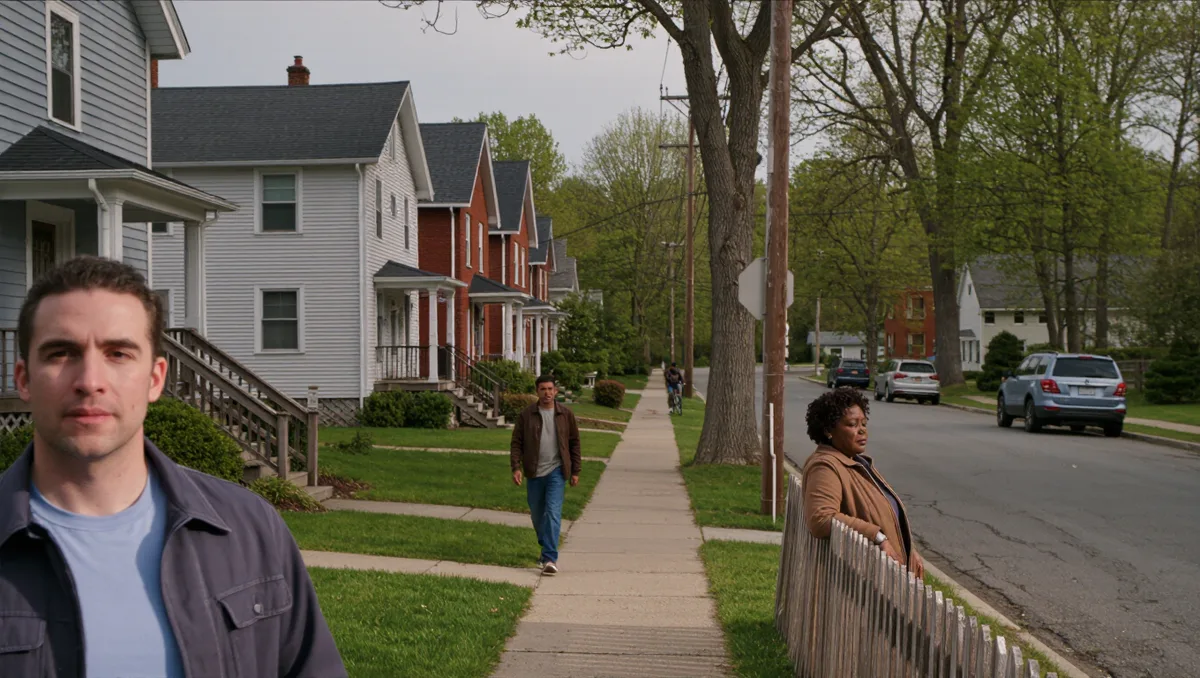
The geography is no accident. North Miami and the surrounding northeast Miami-Dade neighborhoods — Little Haiti to the south, Biscayne Park and North Miami Beach nearby — anchor one of the country's densest Haitian-American corridors. The city's population has been roughly one-third Haitian or Haitian-American in recent census counts, and Haitian Creole functions as a common language along West Dixie Highway and NE 134th Street's commercial strips. Placing the center there puts it within bus reach of the families most likely to need it.
The corridor's institutions reinforce one another: Creole-language churches, Haitian markets and bakeries, and community organizations cluster within a few miles, which means a family referred out of Sant La rarely leaves the neighborhood for help.
How did the organization start?
Sant La opened in 2001, founded by Haitian-American community leaders who saw established nonprofits consistently under-serving their community — not through hostility, but through language and process. The founders' wager was that a trusted Creole-speaking intermediary could dramatically raise the share of eligible families actually receiving benefits, scholarships and legal help. Two decades on, the center operates from the West Dixie Highway office with a bilingual staff and a partner network spanning county agencies, health providers and legal-aid groups.
What should a first-time visitor expect?
Walk-in hours run Monday through Thursday, 9 a.m. to 6 p.m., per the organization's official site, with reduced hours on Fridays. A visitor should bring identification and any documents tied to their question — immigration notices, lease papers, school letters, benefit denials. Staff record the case, explain options in Creole, French or English, and either schedule follow-up or hand off to a partner with the family's consent. Services are free to community members, funded by grants and donors.
For residents of North Miami, the practical short list looks like this:
- Immigration and citizenship help, including naturalization application preparation.
- Referrals and follow-up for health care, housing questions and public benefits.
- Financial-literacy and asset-building classes for adults.
- Youth and family support connecting parents to schools and after-school resources.
Why does a referral center rather than a service provider?
The design choice is economic. No single nonprofit can employ every specialist a family needs — an immigration lawyer, a benefits caseworker, a school liaison, a financial counselor — but a trusted center can maintain the directory, vouch for its partners and verify that the handoff happened. Sant La's founders argued that Haitian families were already eligible for millions of dollars in existing services and benefits; what was missing was the bridge. The referral model, refined over two decades, aims the community's residents at systems that already exist and holds those systems accountable when families fall through.
How does Sant La fit the wider community?
North Miami's Haitian-American community has produced the city's mayors, council members and business leaders, and civic organizations have long treated the corridor from Little Haiti to the county line as a single cultural geography. Sant La sits in the middle of it as infrastructure — the place other institutions call when they need Creole-language outreach done credibly, and the place families call when a form in English might otherwise go unfilled. During periods of crisis in Haiti, the center's intake volume rises with new arrivals and with families seeking status answers; during calmer stretches, its education and financial programs carry the calendar.
The measure the organization points to is simple: families served and referrals completed, year after year, from the same stretch of West Dixie Highway. As of 2025, Sant La remained one of the few Haitian-led general-service nonprofits operating at that scale anywhere in Florida.
For a neighborhood where a quarter-century of arrivals have built businesses, churches and an elected class, the center's role is quiet but load-bearing. It is, in the sense of its own Creole name, the place that is simply there — right there — when a family needs a first door into American systems.