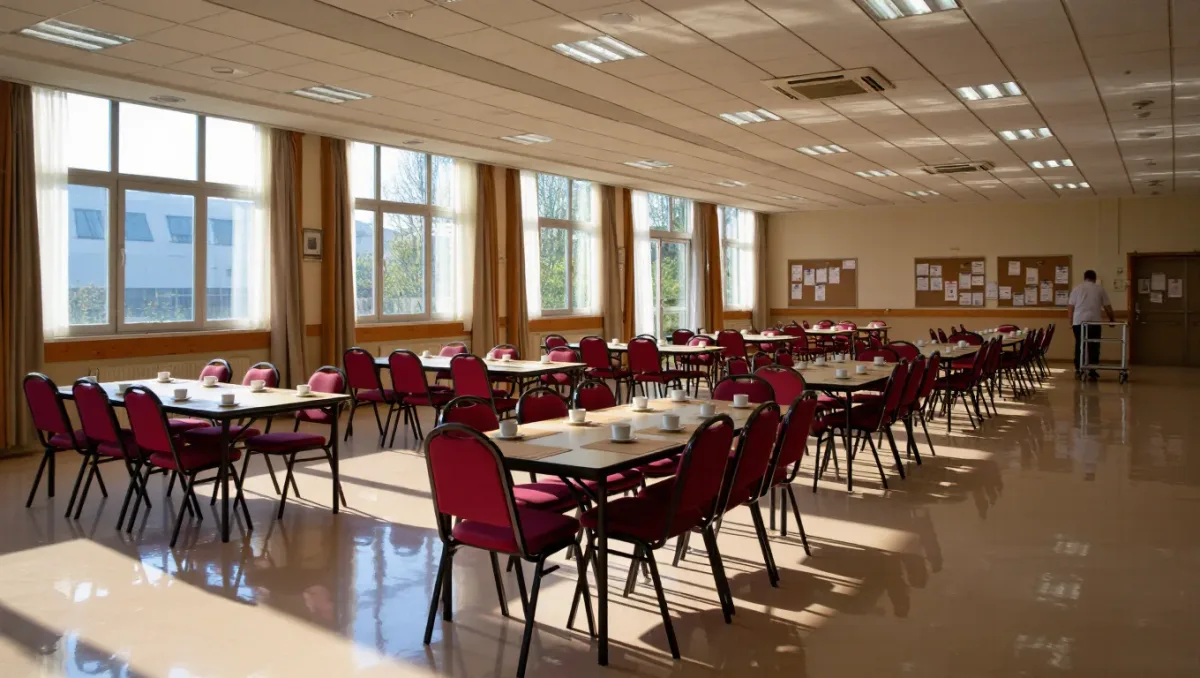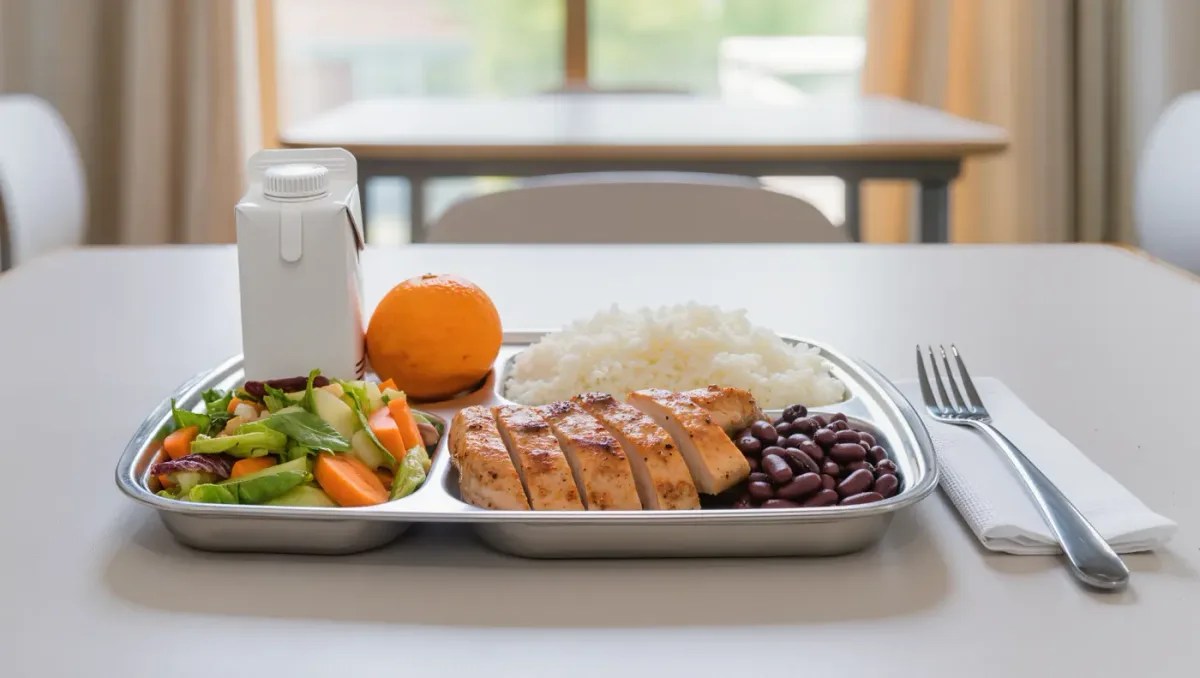
Miami-Dade residents aged 60 and older can eat free weekday meals at county-supported senior centers across the county, with meals served Monday through Friday, per the Miami-Dade County Community Action and Human Services Department's program listings. The county's intake line for the senior center meal program is 305-634-5791, and the Alliance for Aging, the Area Agency on Aging for Miami-Dade and Monroe counties, connects older adults to meals, recreation and in-home services through its elder helpline. This guide explains how the meal programs work, where to call, and what a first visit to a senior center looks like.
Programs for older adults touch on health and benefits; this guide publishes information, not medical or benefits advice, and eligibility questions should go to the agencies named below.
Who qualifies for the congregate meal program?
The county's congregate meals program serves residents 60 and older, per the Community Action and Human Services Department listing. Congregate is the program's own term: meals eaten in a group setting at a senior center, rather than delivered. There is no means test to sit down for lunch at a participating center, though centers may request a voluntary donation, and staff typically ask new attendees to complete a short registration form with name, age and emergency contact. Serving runs Monday through Friday, generally at midday, and menus rotate weekly.
Spouses of participants and some younger caregivers with disabilities may join meals under federal Older Americans Act rules, which fund the program through the state and the Area Agency on Aging; center staff can confirm a specific household's situation.
Where are the senior centers?
Meal sites and activity centers cluster where older populations live: Little Havana, Allapattah, Liberty City, Hialeah, Miami Gardens, North Miami, Homestead and the coastal condominium corridors. The county's CAHSD senior centers and city-run centers in Miami, Hialeah and Miami Beach all participate in the meal-and-activity network, per the county's listings. Because site lists change — centers close for renovation and new sites open — the reliable first call is the program line at 305-634-5791, which staff use to match a caller's address to the nearest serving site.
Miami-Dade Parks also runs an Active Older Adults program for residents 55 and older at regional parks, adding fitness classes, social clubs and day trips at locations from Tropical Park to Amelia Earhart Park, per the county parks program.
What about seniors who cannot leave home?
Home-delivered meals — the program most residents know as Meals on Wheels-style service — run through provider agencies under the Alliance for Aging's coordination. The Alliance, the designated Area Agency on Aging for Miami-Dade and Monroe, screens callers through its Elder Helpline and routes homebound seniors to the appropriate provider for assessment. South Florida's meal-delivery programs together report serving more than 10,000 clients and more than 1.2 million meals per year, per United Way Miami's description of the Elderly Affairs program network.
Assessment matters because home-delivered meals carry eligibility criteria — a homebound determination and often a caregiver screen — that congregate meals do not. Family members can call on a relative's behalf.
What happens at a senior center besides lunch?
The meal anchors the day, and programming fills around it. A typical week at a Miami-Dade senior center includes exercise classes scaled to older bodies, bingo and card games, health screenings from visiting nurses, benefits counselors who help with SNAP and Medicaid paperwork, and holiday celebrations. Centers double as information points: staff know which caregiver-respite options and transportation services are currently funded, and they keep the lists of which neighboring churches run their own lunch programs on the days the center's kitchen is closed. The staff-to-regular ratio at most sites means new arrivals are noticed and seated by the second visit, which is precisely how isolated seniors become regulars.
- Exercise and balance classes, several centers per week.
- Health education and periodic screenings — blood pressure, glucose.
- Benefits assistance, including food assistance and utility-relief applications.
- Social events, birthday tables and seasonal parties.
How do the programs reach Miami-Dade's newest and oldest residents?
Outreach is the system's perennial challenge. New arrivals — and Miami-Dade's senior population includes residents who joined family households from the Caribbean and Latin America well past retirement age — often learn about congregate meals through churches, clinics and word of mouth rather than agency listings. Centers serving Little Havana's Cuban-American elders, Hialeah's older Cuban and Nicaraguan households and North Miami's Haitian-American seniors have long staffed bilingual intake for that reason, and Creole-, Spanish- and English-language outreach materials circulate through the partner network. The county's mapping of food-insecure older adults guides where new meal sites open; the pattern follows the neighborhoods where fixed incomes and grocery prices pinch hardest.
Caregivers should also note the system's auxiliary services: several centers coordinate escort services and group trips to grocery stores, and the Alliance's network includes caregiver-support programs that respite-fund the family members who make center visits possible in the first place.
How can family caregivers use the same network?
Caregivers belong to this system too. The Alliance for Aging, the state-designated area agency on aging for Miami-Dade and Monroe counties, screens families for caregiver-support programs alongside meal referrals, and center staff can flag respite options during a first visit. Adult family members often register a parent by phone through 305-634-5791 and then coordinate pickup days and transportation with the site itself.
How does a first visit work?
Call 305-634-5791 or the Alliance's Elder Helpline to confirm the nearest site and its current lunch hour. Arrive before midday on a first visit, bring a photo ID for registration, and expect a staff member to walk through the form and the menu. Guests are welcome to sit with any table, and most centers seat newcomers with a volunteer host rather than leaving the choice to chance. Most attendees come for the meal and stay for the afternoon's activity; transportation questions — many centers sit on Metrobus lines — can be raised with center staff, who coordinate with the county's paratransit and discount programs when needed.
The numbers worth keeping: 305-634-5791 for the county's senior center meals, the Alliance for Aging for home-delivered screening, and the phrase "congregate meals" — the program name that unlocks the right desk at any of these agencies. As of 2025, the programs remained free at the point of service for residents 60 and older, subject to each site's capacity.