Morro Castle has cooked Cuban fritas at 1201 West 44th Place in Hialeah since 1966, making the small cafeteria one of the longest-running restaurants in a city defined by its Cuban kitchens. Founded by Alberto Villalobos, the counter has passed through the hands of successive owners who kept the format intact: a short menu, a flat-top griddle, and a frita that Hialeah regulars have ordered the same way for nearly six decades.
What makes the frita at Morro Castle distinctive?
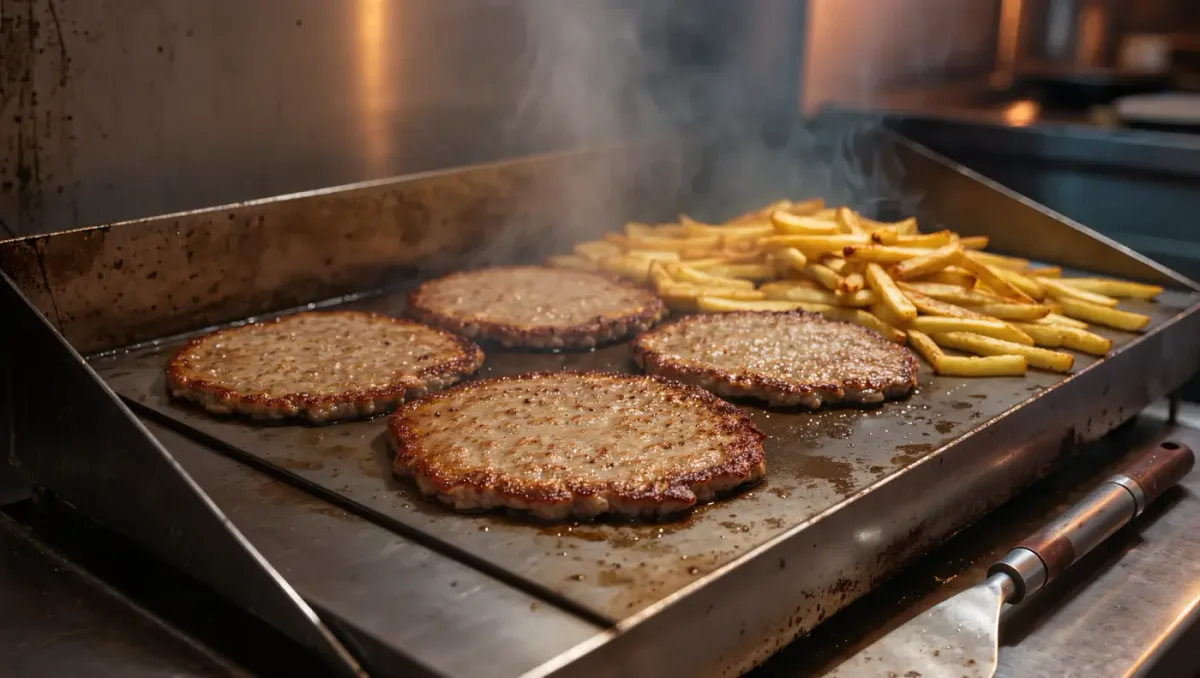
The frita cubana is a thin patty of seasoned ground beef, stretched with chorizo and spices, griddled until the edges char, then finished on a soft bun under a heap of crisp shoestring potatoes. Morro Castle's version is the one that generations of Hialeah residents grew up on, and local food writers have credited the counter as the place that set the standard for the style in South Florida. The menu around it stays deliberately narrow: Cuban sandwiches, croquetas, cafecito, and breakfast plates, priced for a working-city clientele rather than a tourist one.
How did the restaurant begin?
Alberto Villalobos started Morro Castle in the early 1960s and opened the Hialeah location in 1966, per the restaurant's own history and long-running local coverage. A connected Miami location operated in earlier decades under the same ownership, but it is the Hialeah counter that survived and endured. Ownership has changed hands within the restaurant's orbit over the years while the kitchen kept its griddle schedule and its recipes — recent operations are commonly associated with an owner known to regulars as Leo — and the kitchen has kept its recipes and its counter service through each transition. The restaurant's own site continues to date the founding to 1966.
Why does it matter in Hialeah?
Hialeah is one of the most Cuban cities in the United States, per U.S. Census Bureau data, and its commercial strips — West 49th Street, Palm Avenue, Hialeah Drive — run on small family kitchens much like this one. Morro Castle's longevity gives the Palm Springs Mile area a reference point: a business that predates the city's modern growth and still draws lines at lunch. In a city where rents have risen along with the rest of Miami-Dade, the cafeteria's persistence is a small-business story about narrow menus and steady volume doing the work that reinvention does elsewhere.
What should a first-time visitor order?
The frita, first — regulars often add a fried egg on top. A croqueta preparada, the ham croquette pressed into Cuban bread with a shower of the same crisp potato sticks, is the classic companion, and a colada shared at the counter fits the room's rhythm. First-timers who want the full picture order both formats side by side and compare. The dining room is small and utilitarian, service is fast, and the midday rush runs heaviest; mornings are the quiet window, when the griddle has room to take a special order and the regulars hold court over cafecito. Parking sits along the surrounding blocks of West 44th Place, and the counter's prices remain in the working-lunch range that has defined it since the Villalobos era, a range that visitor-oriented strips long ago abandoned.
Why do frita counters endure when trendier restaurants close?
The format's economics explain most of it. A frita counter needs a small kitchen, a short ingredient list, and a handful of staff, so its monthly break-even sits far below a full-service kitchen's, and the product carries no trend to outlive. Customer memory does the rest: a frita eaten in childhood becomes an order placed for decades, and each generation of regulars recruits the next without the restaurant spending on advertising. Hialeah's concentration of such counters is higher than anywhere else in the county for exactly this reason, the city's long civilian loyalty to its own kitchens. Restaurants that chase novelty must re-earn their audience annually; a counter like Morro Castle re-earns it one lunch at a time.
How does Morro Castle compare to the Calle Ocho frita counters?
Little Havana's strip gets the visitors; Hialeah gets the volume of regulars. Morro Castle operates a few miles northwest of the famous Calle Ocho frita houses and belongs to the same culinary lineage — the exile-era frita trade that spread across Miami-Dade in the 1960s and 1970s. The difference is audience and continuity: Morro Castle has fed one city's residents in one room for nearly sixty years, which is a rarer record than any award.
What role did counters like this play in Hialeah's growth?
The exile-era cafeterias were civic infrastructure as much as food businesses. In the 1960s and 1970s, cheap counters serving Cuban staples gave newly arrived families an entry into self-employment, a meeting point for information about work and housing, and a taste of the kitchens they had left. Hialeah's density of such businesses earned the city its reputation as a Cuban capital in exile, and the survivors from that founding wave are scarce. Morro Castle's near-sixty-year run in one room makes it one of the few. Local food writers have treated the counter as a benchmark for the style, and regulars measure the fritas at newer restaurants against the griddle on West 44th Place. The economics that kept it alive are unglamorous: a menu short enough to memorize, portions priced for everyday frequency, and a customer base drawn from a few surrounding blocks rather than the county at large.
Readers tracking the city's business demographics can consult the U.S. Census Bureau's community facts at census.gov.