El Rey de las Fritas has cooked the frita cubana — Cuba's thin, seasoned hamburger — at 1821 SW 8th Street in Little Havana since 1982, four years after Victoriano "Benito" González and his wife Angelina "La Gallega" González opened the business near Coral Way in 1979. The shop's name translates to "the king of the fritas," and on the Calle Ocho strip it has held the title through more than four decades of Miami lunch hours.
What exactly is a frita cubana?
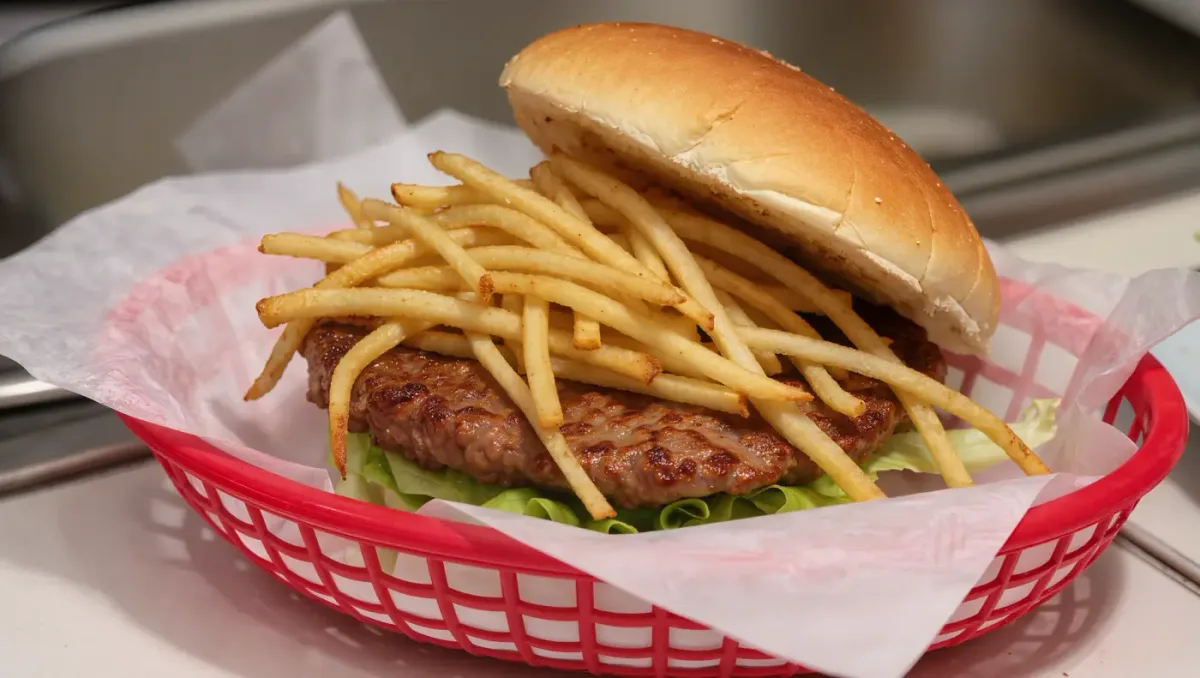
A frita is a pressed patty of seasoned ground beef, often stretched with chorizo and the Cuban spices of cumin and onion, griddled until the edges crisp, then served on a soft Cuban-style bun. The finishing move is a shower of papitas — thin, crisp shoestring potatoes — pressed into the patty, sometimes with shredded lettuce and a dab of ketchup. It is smaller than an American hamburger, cheaper, and engineered to be eaten standing at a counter, which is how most customers order it.
How did the restaurant begin?
The González family built the business in the years after arriving from Cuba. According to the restaurant's own history, Victoriano and Angelina González opened El Rey de las Fritas in 1979 at a first location near Coral Way and moved to the Calle Ocho address in 1982. Family accounts trace the trade further back, to frita stands the family ran in Havana before exile. Angelina González carried the kitchen through the following decades, and the family's second and third generations have continued the operation.
Why does the shop matter on Calle Ocho?
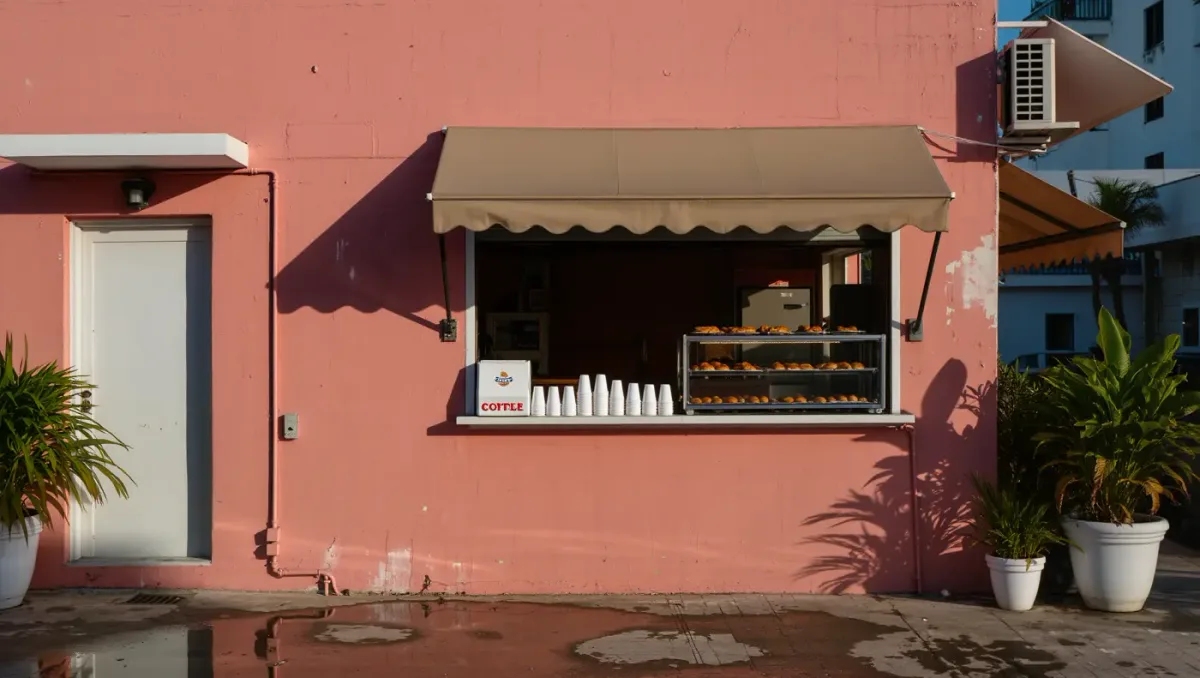
The strip along SW 8th Street between roughly 14th and 17th Avenues carries a dense cluster of the city's surviving Cuban counters — cafés, bakeries, ventanitas — and El Rey de las Fritas is one of its anchor food names. Local food writers have long listed the shop among Miami's essential frita destinations, and the business has appeared in national and regional food coverage of Cuban Miami. Its survival is notable in a district where restaurant turnover runs high and rents along the tourist-heavy corridor have risen; the shop's model, a short menu, fast counter service, and a product that costs a few dollars, has kept it independent since 1979.
Why does the frita endure when trendier concepts close?
Because the format fits the street. A frita counter needs a small kitchen, a handful of staff, and an ingredient list a customer could recite, which keeps its break-even low enough to survive the slow months that close flashier openings. The product is also portable memory: a Miami-raised customer who ate fritas as a child carries the order to adulthood, and passes it on. Restaurant economists call this a low-innovation, high-consistency niche, and Calle Ocho's surviving counters are its local proof. The shops that failed on the strip generally tried to grow faster than their niche or to charge visitor prices to a local base; El Rey de las Fritas has done neither across four decades.
What should a first-time visitor order?
The frita is the point; regulars order it "con todo," fully dressed with the papitas. A croqueta preparada — a ham croquette pressed inside Cuban bread with thin potato sticks — is the standard companion, and a cafecito or batido finishes the order. Counter service moves quickly, seating is limited, and the midday rush after 12:30 p.m. brings the longest waits. Visitors driving to Little Havana should expect street parking in the surrounding blocks.
How does the shop fit into Miami's food economy?
Frita counters are one of the oldest small-business formats in Cuban Miami, and El Rey de las Fritas demonstrates the format's economics: a narrow menu keeps ingredient costs predictable, the product's price point holds volume, and family labor spans generations. For new food entrepreneurs on the strip, the shop is a reminder that Little Havana's visitor traffic rewards businesses with a single, well-executed signature dish as reliably as it rewards novelty.
Who eats at the counter?
The room serves two populations that rarely overlap elsewhere on the strip. On weekday mornings and lunch hours, the base is local and working: tradespeople, office runners from the surrounding blocks, older regulars who order without speaking and settle at the counter. Later in the week, the mix shifts toward visitors, food travelers following national coverage and families showing the neighborhood to visiting relatives. The menu prices hold for both, which is part of the shop's contract with its neighborhood. Counter staff move between Spanish and English without ceremony, and the order rhythm of frita, croqueta, and cafecito repeats so often it functions as the shop's clock.
How has the strip changed around the shop?
Calle Ocho has been remade twice in the restaurant's lifetime: first by the exile-era commercial boom that filled the corridor with Cuban businesses, then by a slower wave of renovation, rising rents, and visitor-oriented retail that has tested the originals. Fritas counters are a useful barometer of that change because their margins are thin and their formulas simple; a strip that can still support several of them is a strip where family business remains viable. El Rey de las Fritas has outlasted cafeterias, pharmacies, and retailers that once anchored the same block, and local coverage of the corridor's heritage businesses points to its continued operation as evidence that the district's commercial identity has survived its own popularity.
Owners weighing their own food-business launch can find licensing and planning guidance through the City of Miami at miami.gov.