Florida's state parks reward Miami drivers who are willing to trade a little windshield time for water that looks like nowhere else in the country. The best picks fall into three buckets: spring-fed swimming holes to the north, reef and beach parks down the Keys, and slow rivers that beg for a kayak. The right choice depends on one question — how long a drive feels worth it for a single day out.
The honest math is simple. The Keys parks cost the least driving and deliver saltwater. The springs cost the most driving and deliver the most memorable water. River parks sit in between, and they are the ones that tend to turn a one-time visit into a yearly habit. This guide keeps to what holds true year over year: the kinds of parks, the kinds of drives, and how to plan a trip that does not fall apart on arrival.
Which parks are worth the drive from Miami?
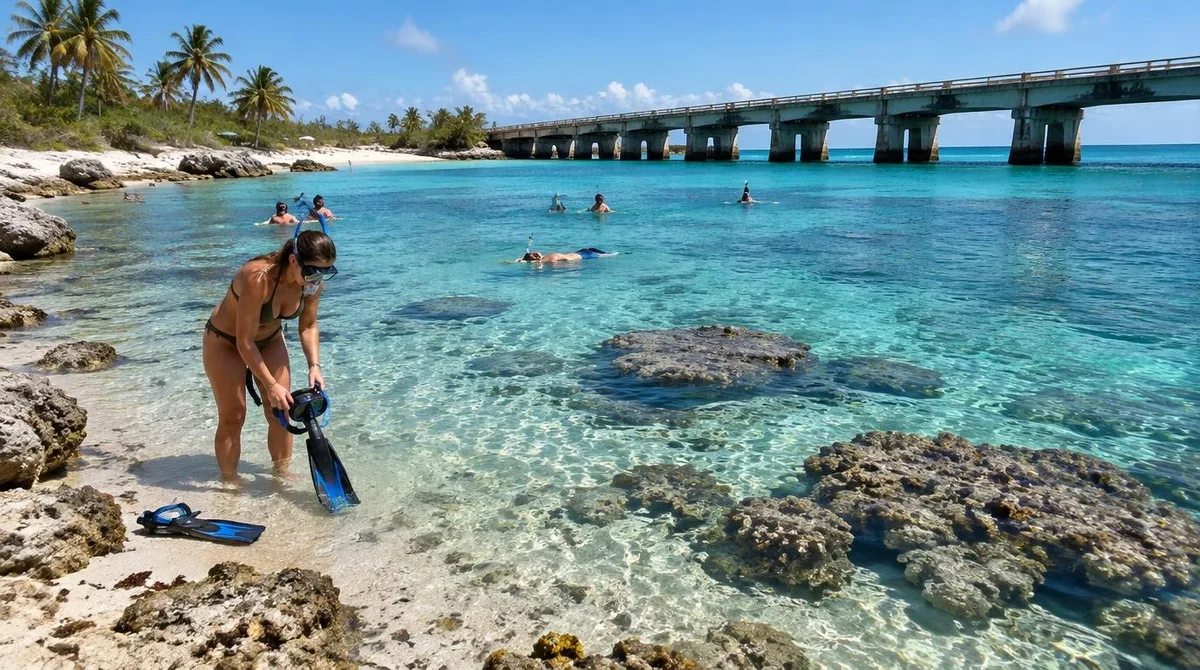
For a true day trip, the strongest cases are the ones along the southern half of the peninsula and the Keys. Beach parks in the Keys put a snorkeler over a living reef with a short swim from shore, and the drive down the Overseas Highway is part of the experience rather than a cost. Parks along the Atlantic coast north of the city offer dunes, maritime hammocks and quiet beach stretches without a border-to-border drive.
Inland, the picture changes. Myakka River State Park, near Sarasota, is one of the state's large inland parks, with a river, prairie and oak palm hammocks under protection. It is a long haul from Miami-Dade, so it works better as an overnight or a very early start. The same goes for the big spring parks in North Florida. The rule of thumb: saltwater and coastal parks for day trips, springs and big inland parks when a weekend is on the table. This connects to our earlier piece, From Little Havana to Hialeah, Miami-Dade Business Tax Receipts Explained.
Where can you swim in a spring, and what does it take to get there?
Florida's famous springs sit mostly in the northern and central parts of the state, which means a Miami driver should plan for a long morning behind the wheel. Ichetucknee Springs, near Fort White, is the classic tubing river — a cold, clear run through shaded forest. Blue Spring, near Orange City, is a designated manatee refuge in the cooler months, and swimming there is restricted during manatee season, so check conditions before you go. Silver Springs, near Ocala, pairs glass-bottom boat tours with paddling.
Weeki Wachee Springs, on the Nature Coast, is the outlier that shortens the math. It combines a spring run for paddling with the park's long-running underwater mermaid shows, a Florida oddity that has outlived every roadside attraction around it. The water in every spring park stays near the same cool temperature year-round, which is the whole point: on an August afternoon, a spring feels like air conditioning you can swim in.
What about rivers, and do you need a guide?
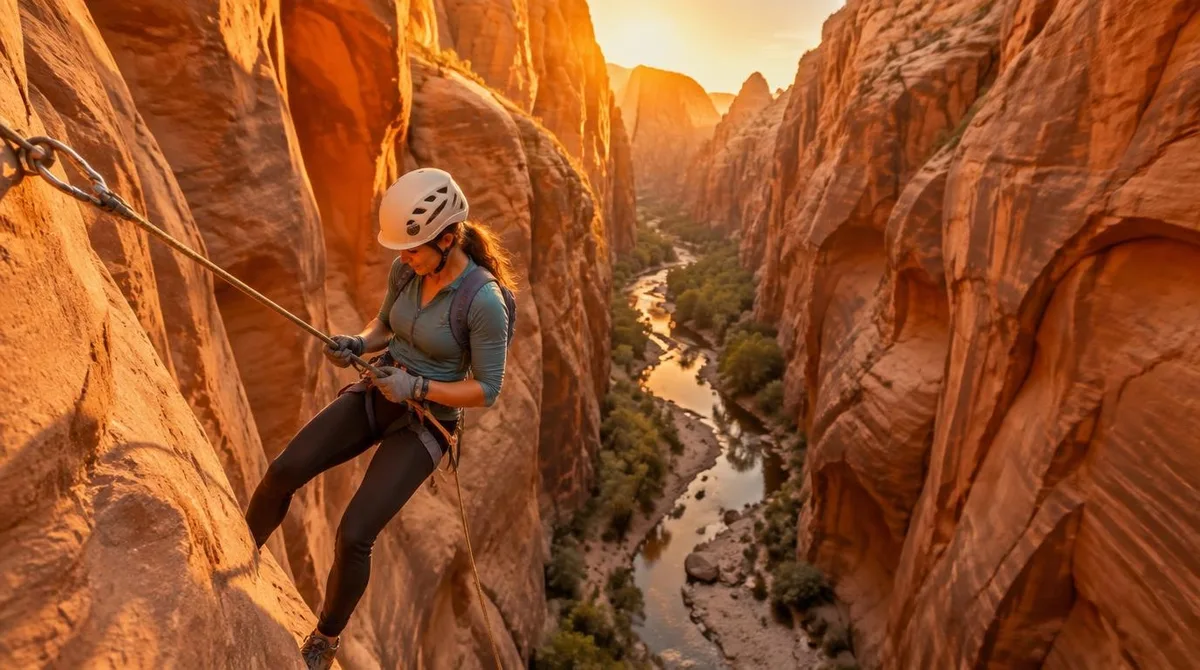
Florida's park rivers are gentle by the standards of whitewater country, but they still reward a little local knowledge. As Wikipedia's overview of guides explains, river guides lead clients on day trips and overnight expeditions, reading the water and handling craft from rafts and canoes to kayaks and paddleboards. The same tradition runs along Florida's coast, where the source notes fishing guides have long been popular — the terms "fishing charter" or "charter boat" imply exactly that kind of hired local expertise.
For most park rivers in Florida, a guide is optional rather than required. Outfitters near the popular runs rent tubes, kayaks and paddleboards, and run shuttles so paddlers do not have to double back for the car. A first-time visitor gains two things from going with one: a ride logistics solved, and a read on water levels and conditions that a website cannot quite give. Confident paddlers can skip it. Everyone else should consider it money well spent on the first trip.
Practical steps for planning the day
The difference between a great park day and a wasted one is almost always planning, not luck. A short checklist covers most of it:
- Check the park's own page before leaving. Hours, entry limits and swim zones shift with seasons, water levels and weather, and details are subject to change.
- Go early. Popular spring parks and Keys beaches fill up, and some parks cap entry once lots are full. An early start also buys cooler air for the drive home.
- Bring more water than seems reasonable, sun protection and shoes that can get wet. Spring water is clear but cold, and river bottoms are uneven.
- Watch the calendar. Hurricane season runs through the fall, and heavy rain can close trails, swell rivers or churn up visibility at beach parks.
- Book anything reservable ahead. Cabins, campsites and some tours sell out long before the date, especially on holiday weekends.
None of this is complicated. It is the same discipline that separates a smooth Keys run from a U-turn at a full parking lot.
What this means for Miami-Dade readers
State parks are the quiet half of Florida's outdoor life, and they sit mostly outside the headlines that follow Miami-Dade's growth and politics. Readers who want the bigger environmental picture can see how the Everglades restoration effort connects to the same water systems these parks depend on. The parks also pair naturally with the rest of the state's calendar — a spring trip north slots neatly between the community gatherings and seasonal events that fill a South Florida year. Readers following this should also see State Budget Lands With $236 Million in Housing Aid, Down From Last Year.
For households watching costs, a state park day is one of the cheapest full-family outings available in Florida. The entry fees are modest by theme-park standards, the food can come from a cooler, and the main attraction is not metered. That value is a large part of why the parks' campgrounds and swim areas fill up on weekends despite the drives involved.
The bottom line for the day-tripper's math
Rank the parks by what the drive buys. The Keys parks buy reef snorkeling for the shortest trip and are the best pure day-trip value. The spring parks buy the state's signature water — cold, clear, unmistakable — and justify an overnight more often than not. The river parks buy a slow paddle and the easiest repeat visits. Start with the closest bucket, learn what a park day actually demands, and work north as the appetite grows. Florida's state parks reward the drive; the trick is matching the drive to the day you actually have.