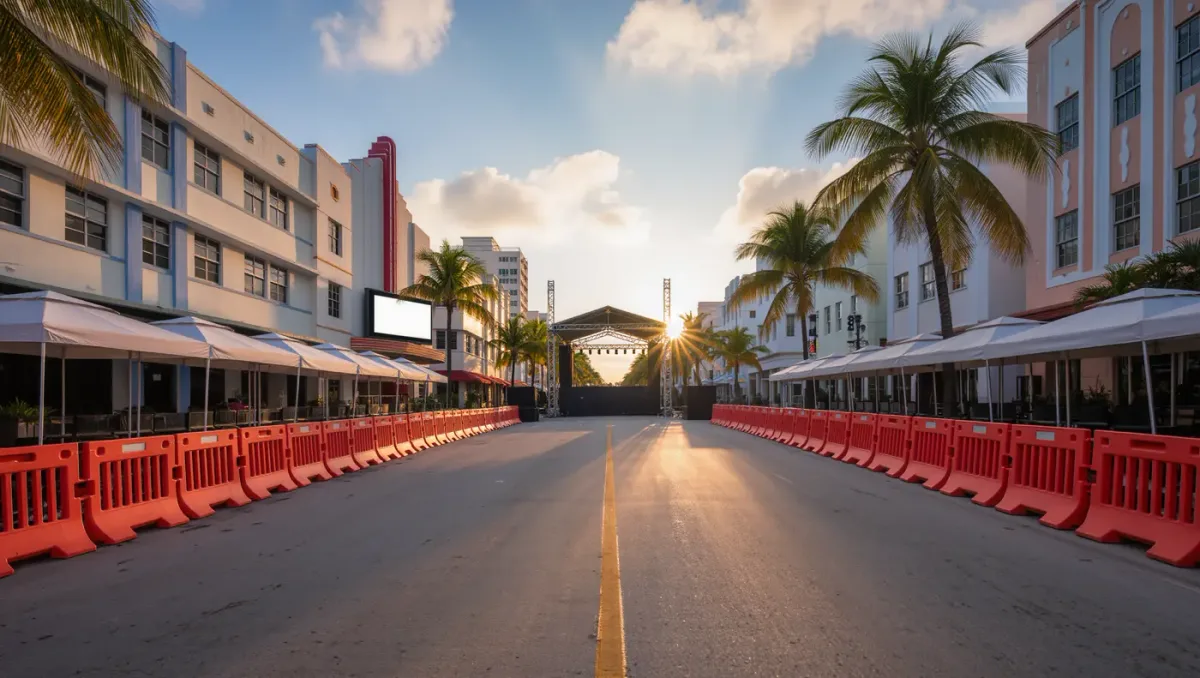
The Calle Ocho Music Festival returns to Little Havana on Sunday, March 15, 2026, running from 11 a.m. to 7 p.m. along fifteen blocks of SW 8th Street between SW 12th Avenue and SW 27th Avenue. Per the organizers at the Kiwanis Club of Little Havana, it is the largest Latin music festival in the United States, and it serves as the closing event of the Carnaval Miami season staged each spring in Miami's Little Havana neighborhood. Attendance is free; the street is closed to vehicles for the day.
What is the Calle Ocho Festival?
Calle Ocho is a street festival on the scale of a district: fifteen closed blocks of SW 8th Street, stages at intervals along the route, and programming that runs a full afternoon. The Kiwanis Club of Little Havana produces the event through its Carnaval Miami season, and per the organizers the festival functions as the club's principal fundraiser — proceeds support youth development and scholarship programs in Miami-Dade County administered by the Kiwanis of Little Havana Foundation. The festival has run for more than four decades and set the Guinness World Record for the largest conga line in 1988, a milestone still cited in the event's own materials.
The name comes from the street itself: Calle Ocho is Spanish for Eighth Street, the commercial spine of Little Havana. For the festival, the roadway between SW 12th and SW 27th avenues is given over entirely to pedestrians, vendors, and stages.
When and where does it happen?
The 2026 festival runs Sunday, March 15, from 11 a.m. to 7 p.m., per the organizers. The footprint covers SW 8th Street from SW 12th Avenue to SW 27th Avenue, the stretch that holds the neighborhood's best-known landmarks: the marquee of the Tower Theater at 1508 SW 8th Street, the Walkway of the Stars, and the brass stars and monuments of the Mahi shrine near the park at SW 17th Avenue. Cross-street closures extend beyond the festival's named corridor, and drivers should assume the grid around SW 8th Street is impassable during event hours.
What is there to see and hear?
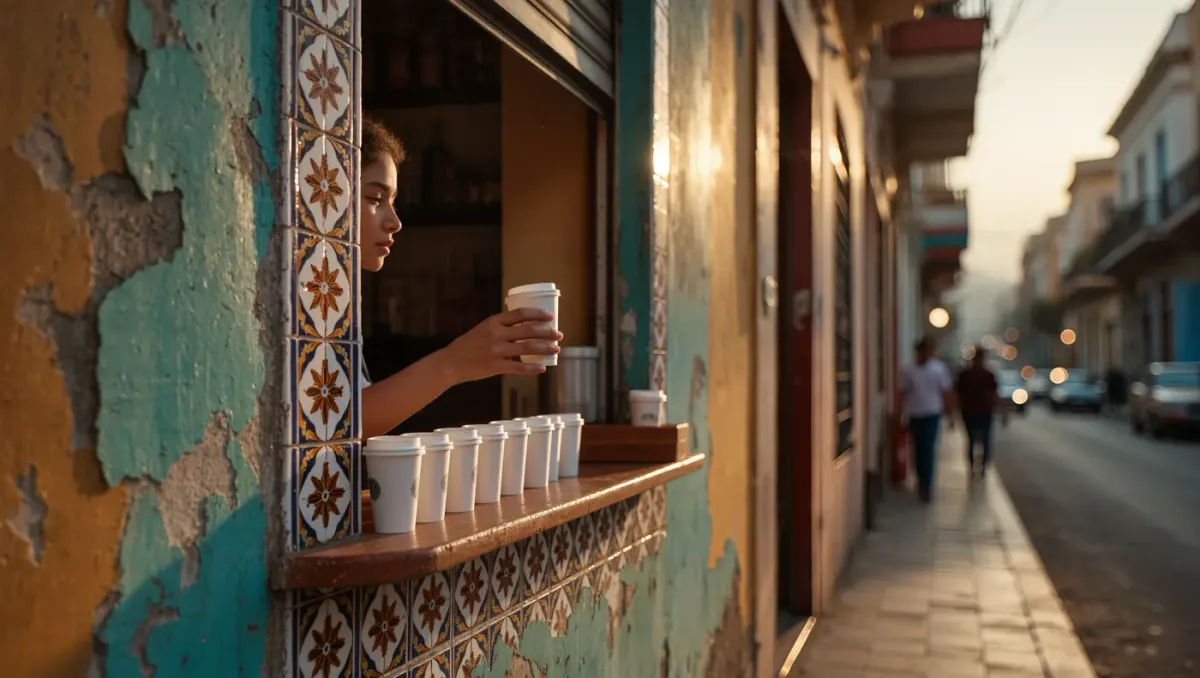
The festival's programming is built on music, and the stages are spread so that no point on the route is far from live sound. Expect salsa, timba, reggaeton, merengue, and Cuban son across the day, with national touring acts on the main stages and local bands on the side ones. Between stages, the route is lined with vendor stalls — Cuban sandwiches, croquetas,elote, shaved ice, and cafe cubano by the thousands of small cups — alongside craft vendors and community-organization tables. The neighborhood's own businesses, from the ventanitas to the cigar shops on the 1500 and 1600 blocks of SW 8th Street, stay open through the day and do their heaviest trade of the year.
The crowd is the point. In recent editions the festival has drawn attendees from across South Florida and beyond, and the day functions as an annual reunion for the diaspora communities that made Little Havana what it is.
How do you get there?
Driving to the festival means parking far and walking, and seasoned attendees plan accordingly:
- Miami-Dade Transit buses that normally run on SW 8th Street are detoured during closures; riders should plan trips through the county's transit tools and expect to walk several blocks.
- The Metrorail station at SW 8th Street and 27th Avenue — the Earlington Heights-adjacent Santa Clara and 37th Avenue stations are alternatives — connects from the north; from the east, downtown routes and the Metromover link to bus transfers.
- Rideshare drop-off works at the ends of the closure zone; expect congestion on SW 12th and SW 27th avenues in the late afternoon.
Confirming closure details before travel is the reliable habit, since the closure map and detours are announced in the weeks before the event and details are subject to change.
What should attendees know before going?
March sun on an open street is the main logistical fact of the day: shade along the route is limited to the awnings of the businesses facing the street, so hats, sunscreen, and water are standard. Cash remains useful — many vendor stalls do not take cards. Strollers and folding chairs are common, though the middle of the day's crowds make the route dense; families with young children generally do better in the morning hours after the 11 a.m. opening. Restrooms are stationed at the cross streets, and first-aid points are staffed by event volunteers.
Why the festival matters to Little Havana
Calle Ocho is the visibility engine of a neighborhood whose identity is inseparable from the Cuban exile experience and the waves of Central and South American migration that followed. The Kiwanis Club of Little Havana founded both the festival and Carnaval Miami as community fundraisers, and per the organizers the proceeds have funded scholarships and youth programs in Miami-Dade for decades. The event also functions as an economic peak for the street's small businesses — restaurants, cafecito windows, cigar rollers, and boutiques within the fifteen blocks — and as the neighborhood's once-a-year display of reach: the festival's audience extends far beyond Miami-Dade.
For readers planning a first visit, the pattern is stable: a Sunday in early-to-mid March, 11 a.m. to 7 p.m., fifteen blocks of SW 8th Street, free admission. The exact date moves with the calendar each year and is announced by the organizers in advance.
Frequently asked questions
Is the Calle Ocho Festival free?
Yes. Street admission is free, per the organizers at the Kiwanis Club of Little Havana. Food, drink, and vendor purchases cost extra.
Where and when is the 2026 festival?
Sunday, March 15, 2026, from 11 a.m. to 7 p.m., along SW 8th Street between SW 12th Avenue and SW 27th Avenue in Little Havana, per the organizers.
Who organizes the festival?
The Kiwanis Club of Little Havana produces the festival as the closing event of its Carnaval Miami season, with proceeds supporting the Kiwanis of Little Havana Foundation's youth programs in Miami-Dade County.