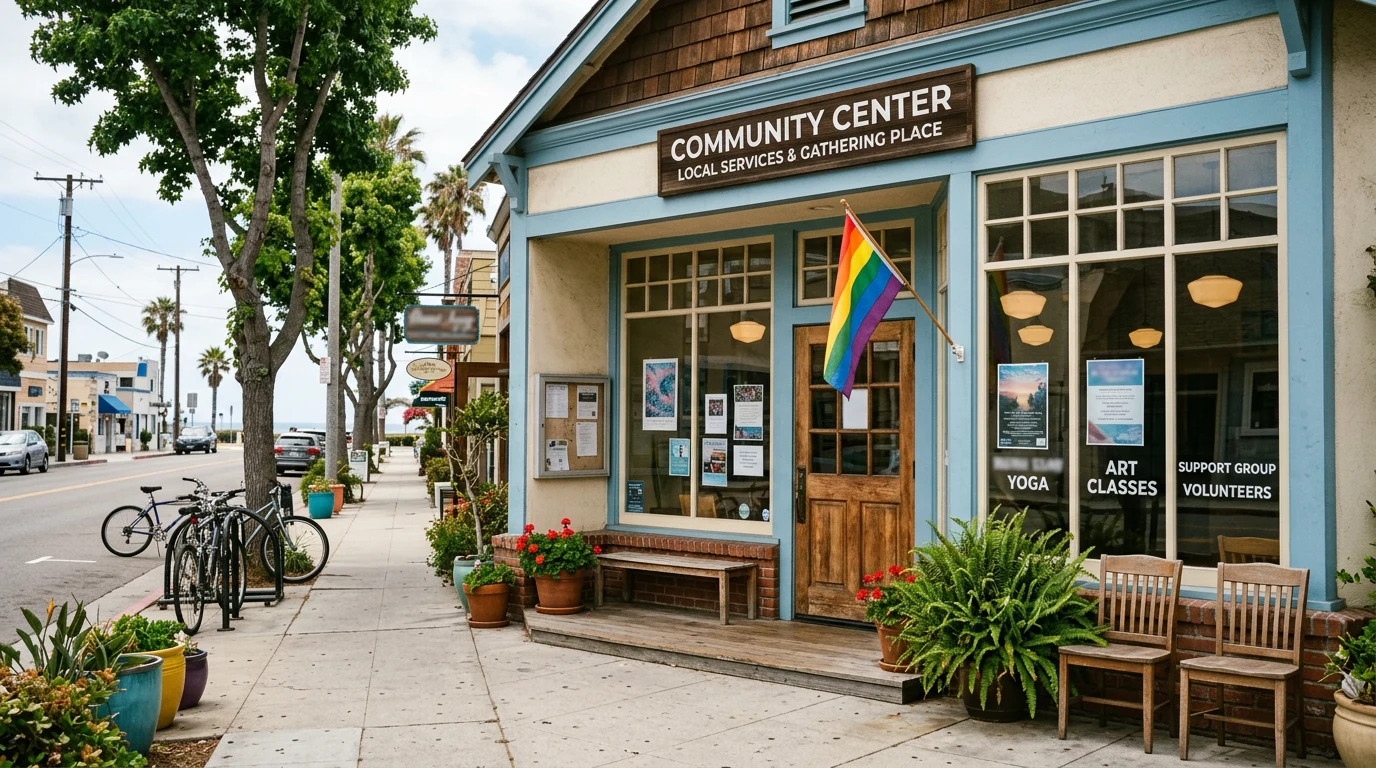
The Marshall L. Davis, Sr. African Heritage Cultural Arts Center, at 6161 NW 22nd Avenue in Liberty City, is Miami-Dade County's dedicated center for African-American arts training, operating since 1975. The county-run facility offers after-school and summer programs for ages 5 to 16, four performance and exhibition venues, and a calendar of public shows, per the Miami-Dade County Department of Cultural Affairs, which operates it. In 2025 the center marked its 50th anniversary, per the county's announcement of the milestone in September 2025.
What is the center, and who runs it?
The center is a county cultural facility, one of the Miami-Dade County Department of Cultural Affairs' community arts venues. Opened in 1975 as the African Heritage Cultural Arts Center, it was built as the nucleus of arts learning and access for the county's African-American community, in the words of the department's own materials. Its longtime managing director, Marshall L. Davis, Sr., led the institution from 1983, and in 2024 the county renamed the center in his honor, with a renaming ceremony on August 1, 2024, per the department and Artburst Miami.
Programs run on a county-funded basis with modest fees, and the center's studios stay busy most afternoons and evenings during the school year. Parents register students directly through the center; community members can attend performances and exhibitions without enrolling.
Where is it and when is it open?
The address is 6161 NW 22nd Avenue, Miami, FL 33142, in the heart of Liberty City, with phone contact at 305-638-6771, per the center's official site. The building sits west of Northwest 22nd Avenue's commercial strip and is reachable by the 27 and 17 Metrobus corridors; drivers find parking on the center's grounds. Gallery and box-office hours vary by event, so visitors should confirm times for a specific performance or exhibition before heading out, since schedules shift with the academic calendar.
What programs can students join?
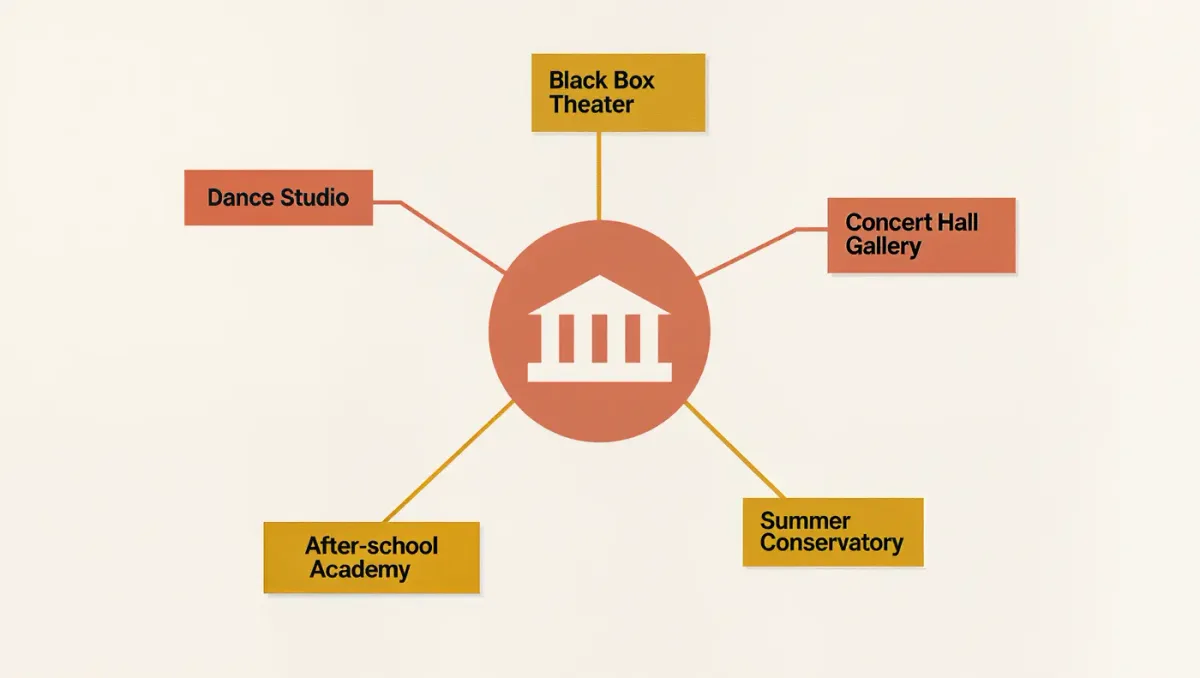
The center's training programs are its backbone, and they break down into three tracks:
- The After School Arts Academy runs during the school year, giving students ages 5 through 16 structured instruction in music, dance, theater and visual art after the dismissal bell.
- The Summer Arts Conservatory compresses that training into an intensive season, with students staging full productions by summer's end.
- Studio classes in dance, drama, instrumental and vocal music, and visual arts run year-round, taught by working artists and educators, many of them center alumni.
Generations of Miami performers passed through those studios. Alumni have gone on to professional stages, recording careers and Broadway work, a pipeline the center cites in its own recruitment materials as proof of the training's depth. The facility itself supports that work: a Black Box Theater, a concert hall, a dance studio and gallery spaces sit under one roof on NW 22nd Avenue.
What can visitors see without enrolling?
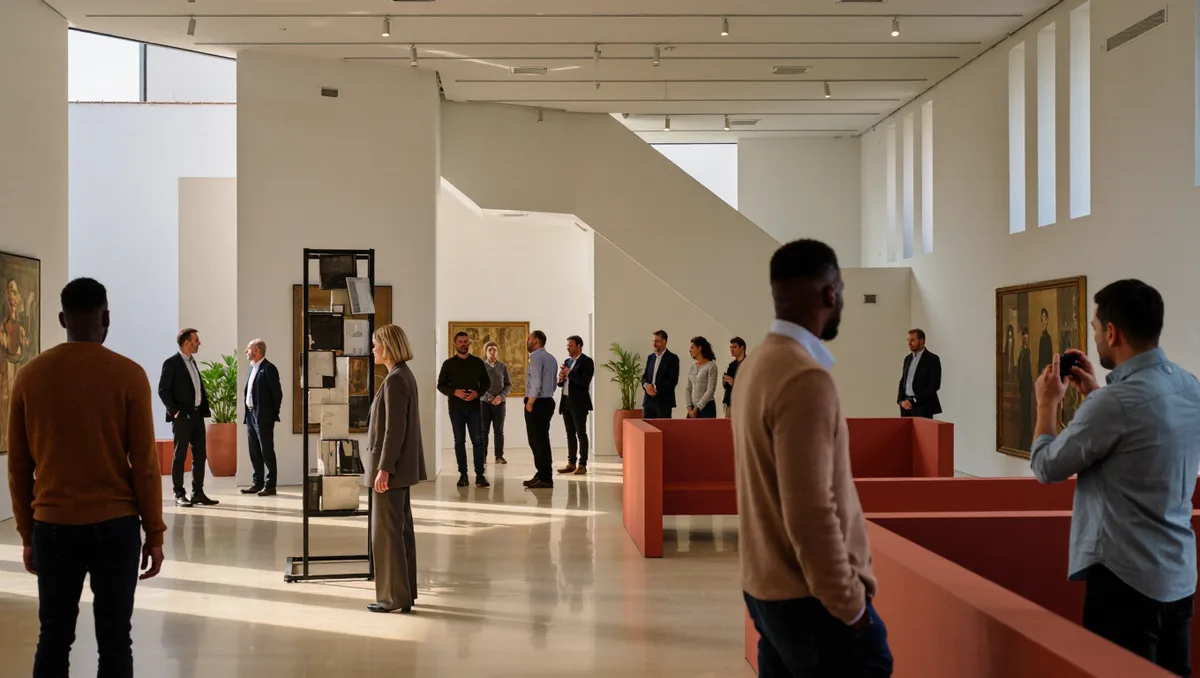
Plenty. The galleries mount rotating exhibitions of Black artists from Liberty City, greater Miami and beyond, generally free to view during open hours. The theaters host student showcases, community productions, dance concerts and commemorative programs tied to Black History Month and Juneteenth. The center also functions as a meeting and gathering point for Liberty City civic life, and its lobby exhibitions often document the neighborhood's own artistic history.
Tickets for staged events are typically low-cost or free, consistent with the county's community-arts mandate. Because programming changes monthly, the reliable approach is to check the department's facilities listing or call the center for the current calendar.
Why does the center matter to Liberty City?
Liberty City has fewer purpose-built cultural facilities than it had a generation ago, which makes the center's half-century of continuous operation unusual. It opened in 1975, when the neighborhood's commercial corridors were still active, and it stayed through decades when public investment in the area lagged. For families along NW 22nd Avenue and the surrounding blocks of Lemon City, Gladeview and Brownsville, it remains the closest structured arts education available after school.
The 2024 renaming, approved by county government and celebrated at a ceremony on August 1, 2024, recognized Davis's four decades running the institution. County officials framed the honor in the department's announcement as recognition of the center's role in launching Miami's Black performing artists.
How do students get from a class to a stage?
The center's training is built toward performance. Academy and conservatory students rehearse toward showcases each term, and the theaters host those showcases on the same schedule as visiting professional productions, so a 12-year-old dancer performs on the floor that touring companies use. That progression — studio, recital, full production — is deliberate, per the center's program descriptions, and alumni often cite their first Black Box appearance as the moment the training became a career ambition. The galleries run the same pipeline for visual artists: student and alumni exhibitions share the calendar with shows by established names.
For Liberty City families, that pathway costs a fraction of private arts conservatories, and the county's fee structure keeps the after-school academy within reach of households the private market prices out. The center's staff frame the trade in their materials plainly: the county funds the building and the faculty; the students supply the hours.
How do families register or visitors plan a trip?
Registration for the After School Arts Academy and the Summer Arts Conservatory runs through the center's office at 305-638-6771, with sessions typically filling ahead of each term and conservatory seats closing by early summer. Families should ask about fee schedules and any available assistance when they call. Visitors planning to attend a show should confirm the venue — the Black Box and the concert hall seat different audiences — and arrive early enough to find parking on the grounds.
Three details anchor any visit: the address at 6161 NW 22nd Avenue, the 1975 founding that makes it one of Miami's longest-running arts institutions, and the county phone line at 305-638-6771. Everything else — the current cast, the featured painter, the term dates — flows from the calendar the center publishes each season.