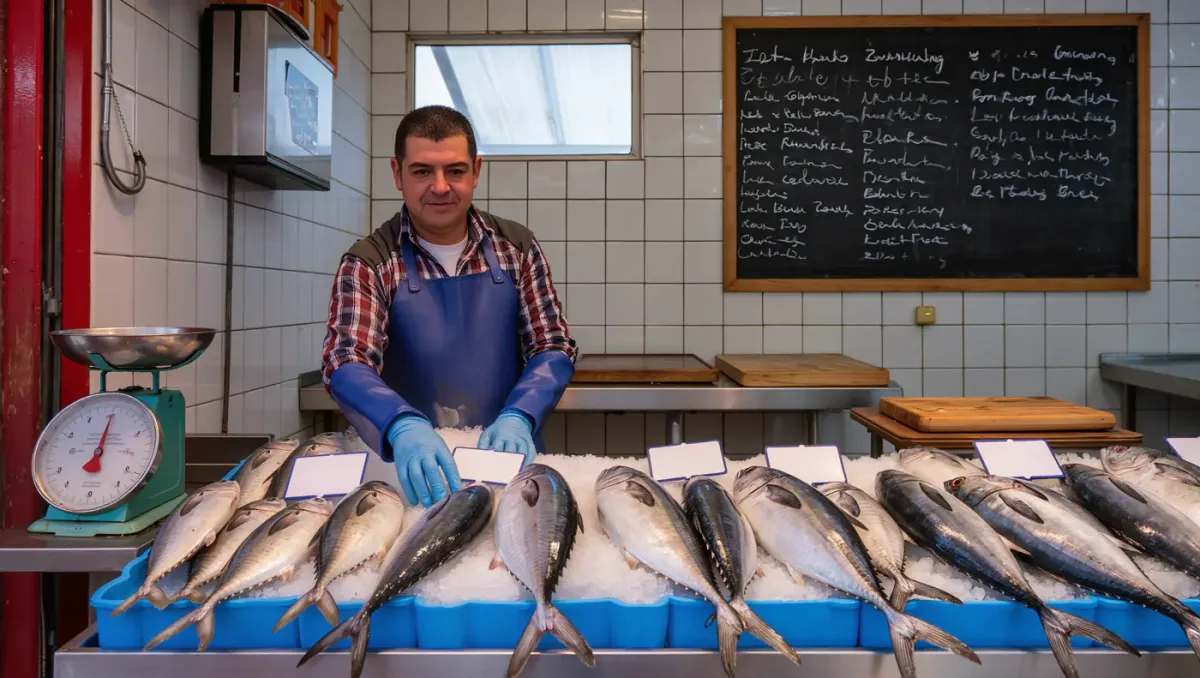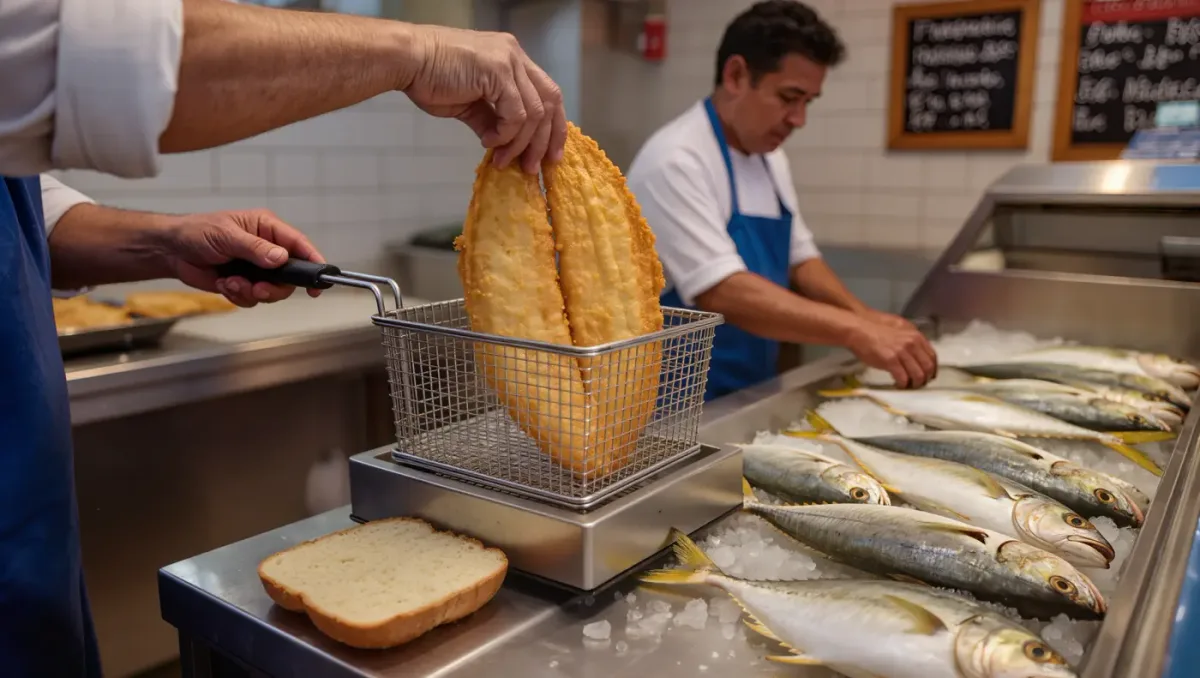
La Camaronera Seafood Joint and Fish Market has sold Cuban-style seafood at 1952 NW 23rd Street in Allapattah since 1976, when the Garcia brothers turned a wholesale fish business into a neighborhood counter where the day's catch goes straight into a fryer and onto Cuban bread. In 2025 the James Beard Foundation awarded the market its America's Classics honor, the foundation's designation for locally owned restaurants with timeless appeal, putting the unassuming fish counter on the national map.
Who are the Garcia brothers?
The business began with three Cuban exiles — Arsenio, Juan, and Felix Ramon Garcia — who left Cuba in the mid-1960s and went to work in Miami's seafood trade, with Arsenio starting out at an established wholesaler. In 1966 the brothers founded the Garcia Brothers wholesale fish business, and a decade later they opened the retail market and sandwich counter on NW 23rd Street that became La Camaronera. The family's next generation runs the operation today; Luis Garcia has discussed the family's fishing history in an interview recorded for the National Oceanic and Atmospheric Administration's Voices oral history project, a rare federal archive entry for a Miami fish counter.
What does the market sell?
The counter's signatures are simple: the pan con minuta, a fried snapper fillet pressed into Cuban bread, and the pan con camarones, its shrimp counterpart. Behind the sandwich line, the market sells fresh and whole fish — yellowtail snapper, grouper, and whatever the boats land — plus prepared seafood by the pound. The Garcia family's operation extends beyond the single storefront: the family has owned its own fishing boats, runs the related Garcia's Seafood Grille on the Miami River, and operates a Lighthouse Seafood location, which lets the retail counter control its supply chain from dock to display case. That vertical integration is unusual for a market this size and is a large part of why the fish tastes the way it does.
Why did the James Beard Foundation honor it?
The America's Classics award, presented since 1998, goes to family-owned restaurants that reflect the character of their communities, and the 2025 class placed La Camaronera alongside institutions from other American cities. The foundation's citation fit what Allapattah regulars already knew: the market has operated on the same block for nearly fifty years, feeding dockworkers, families, and, increasingly, food travelers who cross the county for a sandwich. Local coverage of the award emphasized the family's decision through the pandemic to keep its full staff employed, a choice documented in national food-industry reporting.
What should a first-time visitor know?
The address is 1952 NW 23rd Street in Allapattah, a short drive west of the Midtown commercial corridor, with parking at the store. The pan con minuta is the standard first order, eaten at the counter or to go; whole fried snapper serves a table. Midday is busiest, and whole fish selection thins as the day sells out, so early visits see the fullest cases. Hours and the day's availability change with the catch and the season, so callers confirm before a special trip. Weekend mornings bring the fullest cases and the shortest sandwich lines, and the market's footprint stays modest enough that a first visit reads in ten minutes: display case, fryer, counter, and the door back out to a block that has changed around it far more than the shop has.
Who eats there?
The lunch crowd is a cross-section of northwest Miami. Longshoremen and warehouse crews from the industrial streets nearby order sandwiches wrapped in paper and eat at the counter or standing at the ledge outside; families from the surrounding blocks buy whole fish by the pound for Friday dinners; and since the Beard award, a second wave of visitors arrives with cameras and orders the same sandwich. The room absorbs all of it because the format asks nothing of anyone: order at the counter, wait a few minutes, eat or carry out. In a neighborhood where sit-down options remain few, the market's counter has functioned as a de facto dining room for the district's workday for nearly fifty years.
What does the market mean for Allapattah?
Northwest 23rd Street runs through a working commercial district that gentrification has begun to press from the south, and La Camaronera is one of its longest-continuous operators. The Beard award gave the neighborhood a nationally recognized business without changing the market's price list or its counter format. For the district's other family businesses — bodegas, metal shops, produce houses — the market's run is evidence that institutional quality, not reinvention, is what holds a block together across generations.
What changed with the national award?
Less than newcomers might expect, and that is the point. The America's Classics honor brought press, a spike of first-time visitors, and a permanent line in the record of Miami restaurants, but it did not alter the counter's format, the menu's brevity, or the market's role as a working fish shop first. Long-time customers still order the pan con minuta at the same steel counter, and the market case still sells whole fish by the pound to families who have shopped there for decades. The award's practical value for Allapattah was legibility: it put a nationally recognized name on a working-class commercial corridor that has watched Midtown's development press toward its southern blocks, without asking anything of the business that earned it.
The NOAA Voices oral history interview with the Garcia family's second generation is archived at noaa.gov.