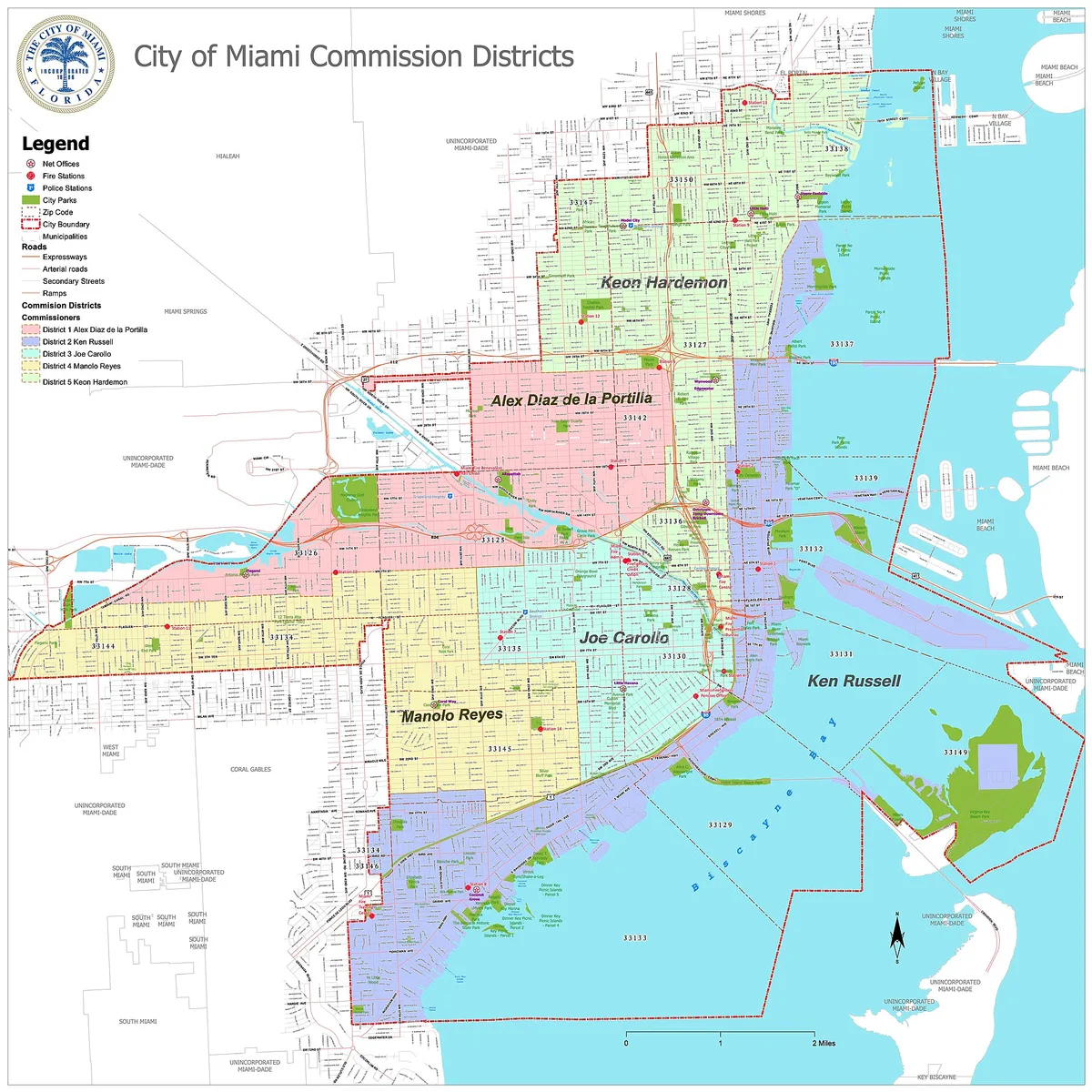
Miami's Bayfront Park, the downtown waterfront greensward at 301 Biscayne Boulevard, is being run directly by the city after commissioners voted 3-1 on July 10, 2025 to abolish the Bayfront Park Management Trust, the quasi-independent board that had managed the park since the 1980s, per Local 10 reporting on the vote. Commissioner Joe Carollo cast the lone no, and the change was slated to take effect around January 1, per coverage of the decision.
The trust's abolition ends a four-decade governance experiment created to keep politics out of the park's booking and maintenance decisions. Supporters of the change argued the city could run the 32-acre park more directly through its parks department, while opponents, including Carollo, warned that absorbing Bayfront into city government exposes its events calendar and its budget to the same commission politics the trust was built to buffer, per the Local 10 account of the debate.
Why it matters here: Bayfront is downtown's front yard, the site of New Year's celebrations, protest gatherings, and the concert fields between Bayside Marketplace and the bay, and its management decides who books it, at what price, and under whose rules. Downtown residents of the towers along Biscayne Boulevard, workers who cross the park daily, and the promoters who stage its festivals all now face a single landlord at City Hall rather than a dedicated board with its own staff. The change also lands on a park already in flux: restoration work including sod replacement and site remediation has been underway as the park returns to full public use, per park management updates.
For park users, the practical changes arrive slowly. Event permits, the concert calendar, and the daily operations of the bayfront lawns continue through the transition, and the city has said the point of the takeover is efficiency rather than a new program for the park. The deeper shift is structural: decisions that the trust's board debated in public sessions, from booking fees to maintenance contracts, now move into the city's parks department and, ultimately, before the same five commissioners who voted on the trust's existence. Advocacy groups that tracked trust meetings will have to learn a new docket.
Commissioners who backed the abolition said the transition would be studied as it proceeds, and the governance of other trust-managed properties remains part of the same conversation, per Local 10. Event calendars and permit processes are subject to change during the transition, and organizers are advised to confirm arrangements with the city's parks department.