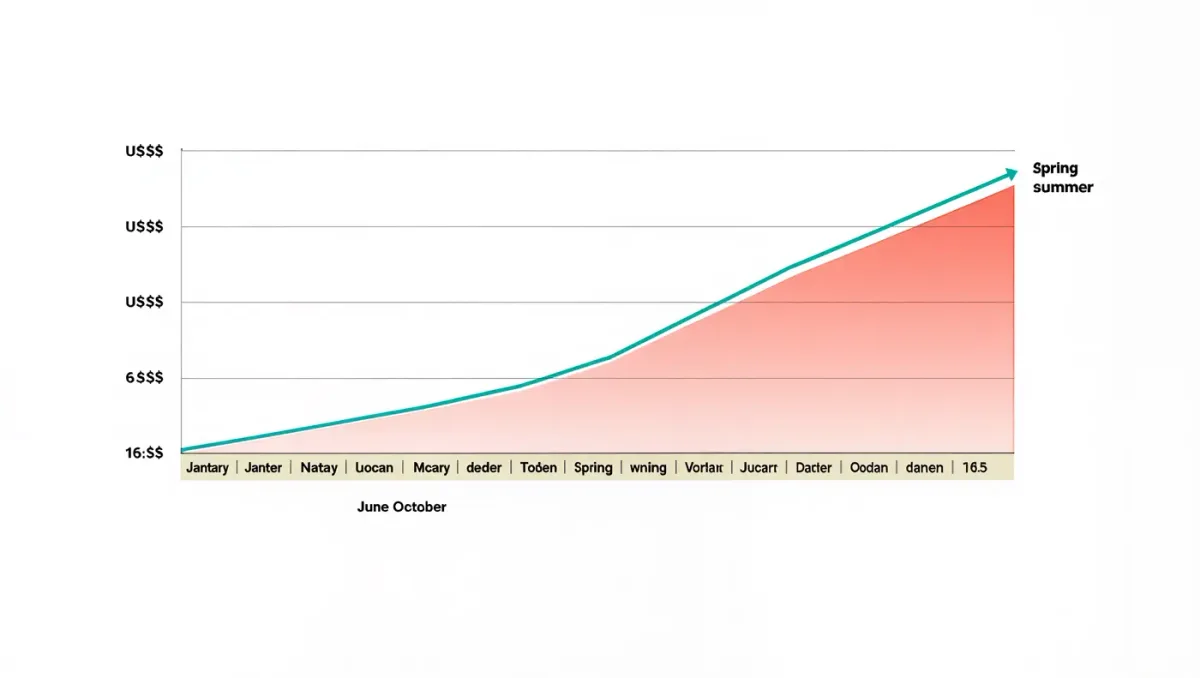
Miami Mayor Eileen Higgins has ordered a line-by-line review of the city budget, telling local outlets in January 2026 that she wanted a deep examination of a general fund that has doubled in the past five years, per reporting from the Coconut Grove Spotlight. The review at City Hall, 3500 Pan American Drive on Dinner Key, sets up a fall budget season in which the city's first new chief executive in nearly a decade will write her first spending plan.
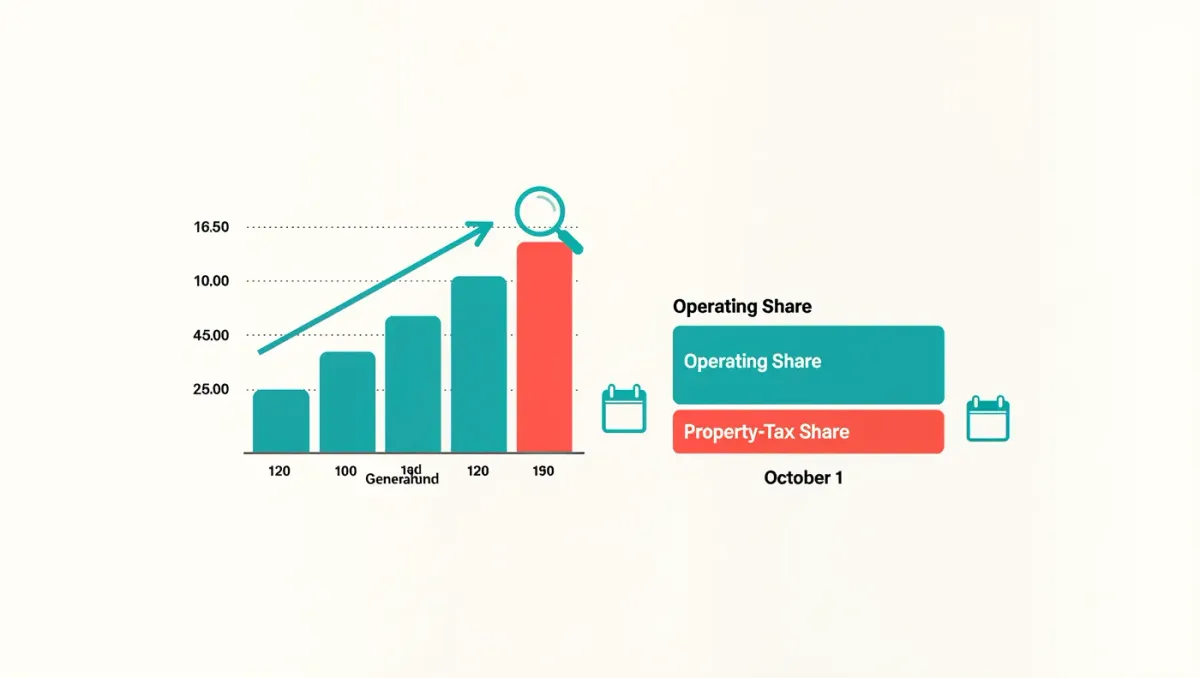
The numbers under review are large by any neighborhood standard. The city's operating budget stood at about $1.8 billion, with roughly $650 million of it carried by property tax collections, per reporting on the city's current-year figures. City spending has climbed steadily since the pandemic real estate boom inflated property values and fee revenue, and Higgins inherited both the enlarged budget and the questions about whether services grew with it.
Why it matters here: the budget is where neighborhood promises are kept or quietly dropped, from the paving schedule in Flagami to park maintenance schedules in Coconut Grove. Tallahassee has sharpened the stakes: state leaders have floated eliminating property taxes in 2026, and Higgins has warned publicly that such a move would force steep cuts in a city where property taxes fund the police, fire-rescue, and parks payrolls. Roughly a third of the city's operating money rides on the tax Tallahassee is debating, so every department request this summer gets weighed against a worst case.
The review's practical question is what the doubling bought. Five years of enlarged spending carried the city through pandemic-era costs, a competitive police and fire labor market, and rising debt service, and Higgins's staff is weighing which of those commitments repeat and which were one-time. The city commission holds the final vote on whatever plan emerges in the fall, which means the mayor's line-by-line exercise functions as the opening bid in a negotiation that runs from now through the September hearings and the October 1 start of the fiscal year.
What the review does not yet include is a proposed tax rate; that figure arrives with the formal budget in late summer, per the city's process, and commissioners can amend it through the September hearings.
The city's fiscal year begins October 1, which puts the formal proposal and the first public hearings in late summer, per the city's budget process. Residents can follow the numbers as they are published on the city's budget pages, and figures cited here reflect the current fiscal year as of May 2026.